I led product design for Inteligas, a *first of its kind* fleet fuel platform for one of LATAM’s largest corporate card networks.
Inteligas by Up Sí Vale is an end-to-end fleet fuel management system. Fleet managers run their fleet from a web app, and drivers run their day from a mobile app.1, 2
Up Sí Vale had more than 4.6 million cards in circulation and 38% of the meal-voucher market, accepted at more than 550,000 merchants.5, 6 Thousands of companies, many running large vehicle fleets, already relied on it for employee benefits and expense cards.
Up Sí Vale wanted to bring that reach to fleet fuel: one platform that gave companies real control over fuel spending, and drivers a tool that made every trip and every fill-up simple.
Inteligas was a first in Latin America. I led the product design, from the Design Sprint that set its direction to the screens drivers and managers used every day.
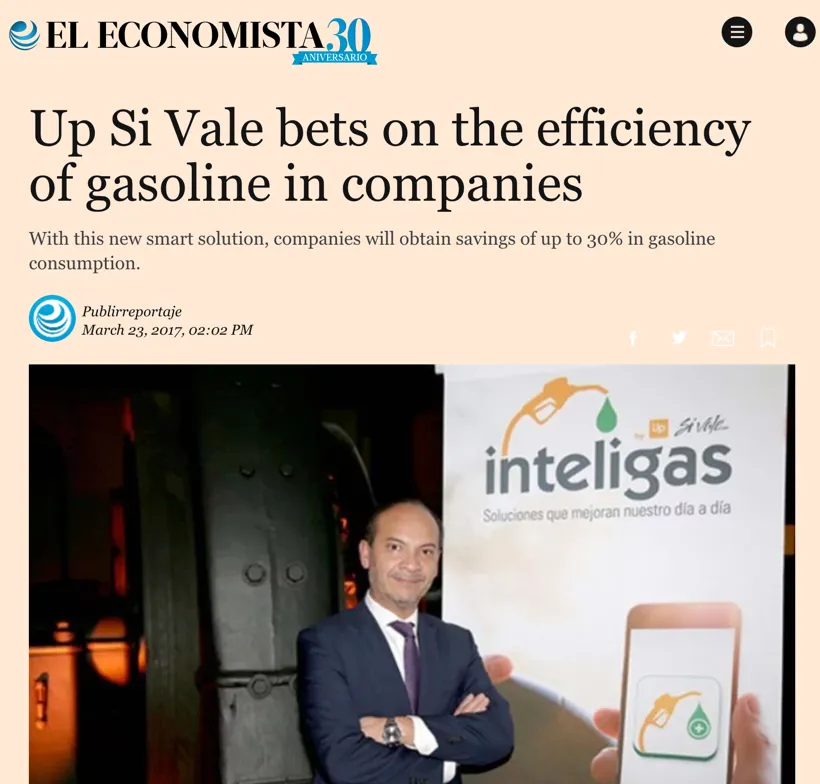
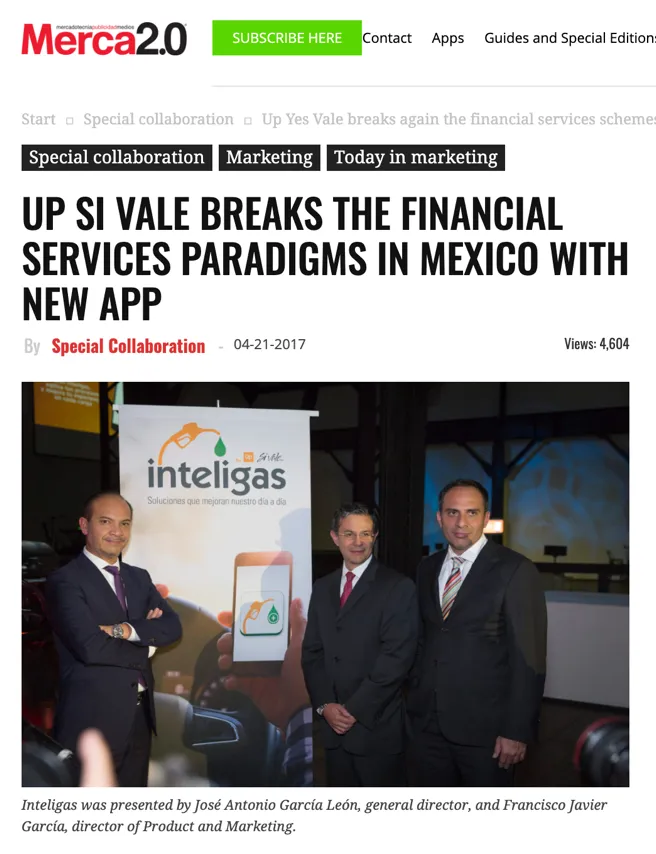
In the press
Two audiences, one system
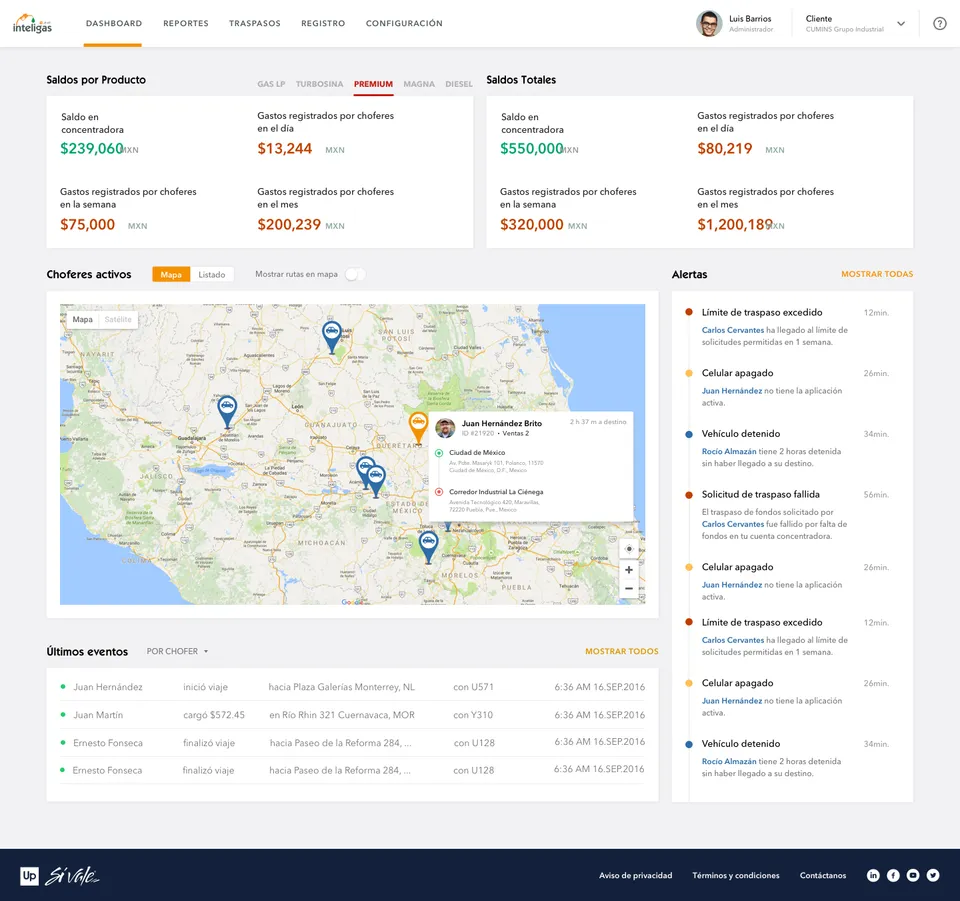
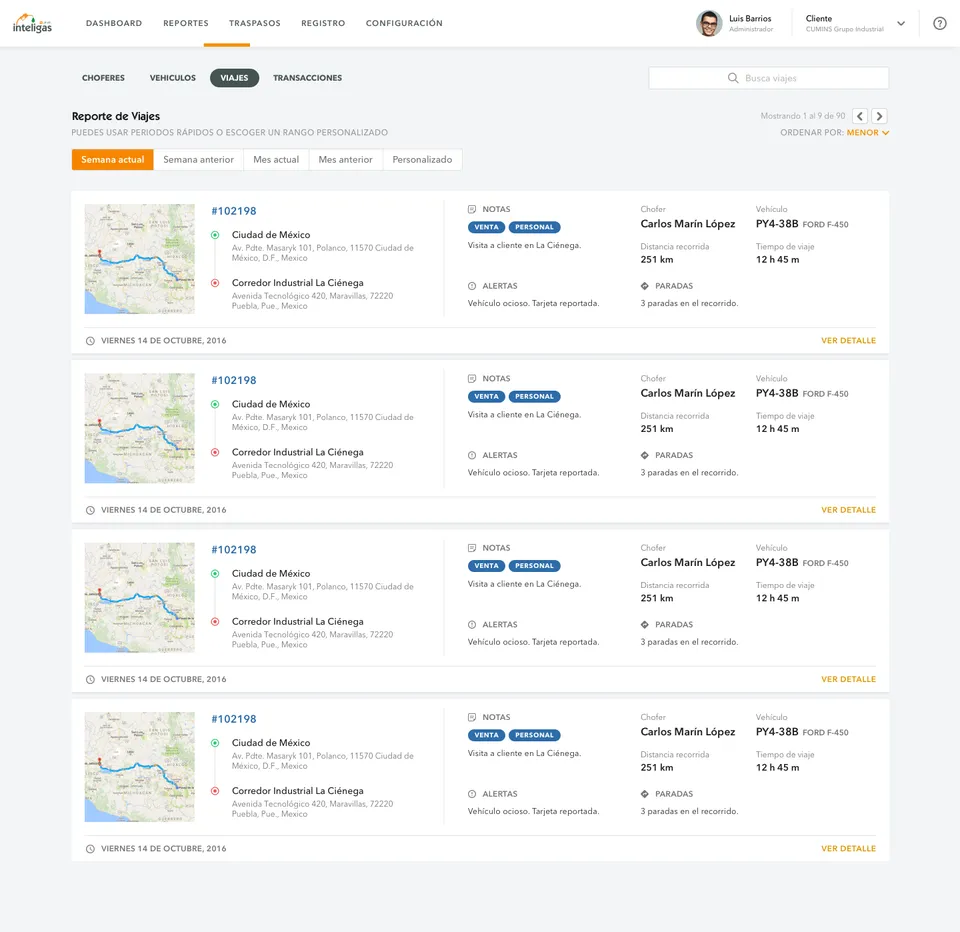
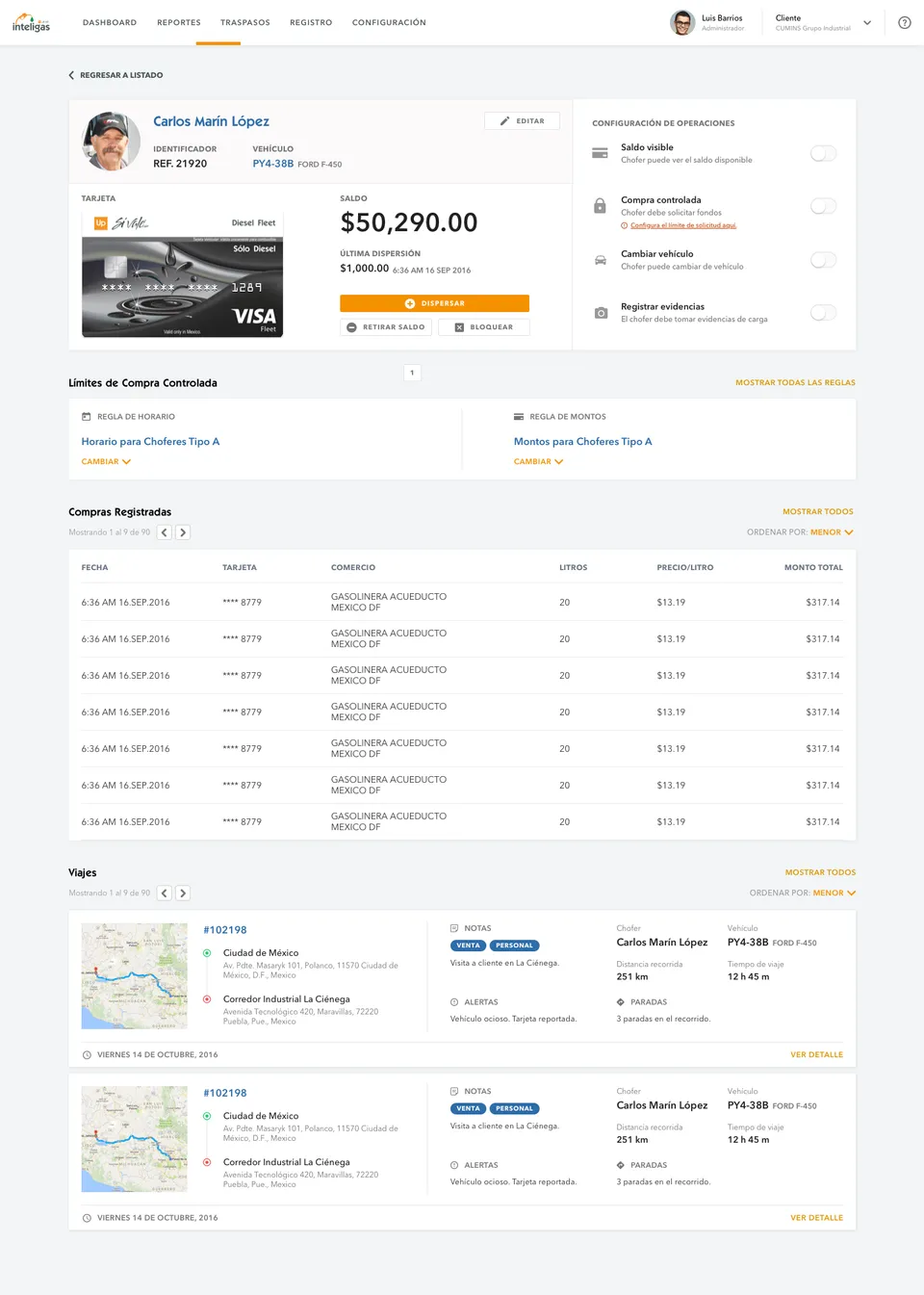
Fleet managers needed control from a desk:
- Reports on journeys, drivers and vehicles.
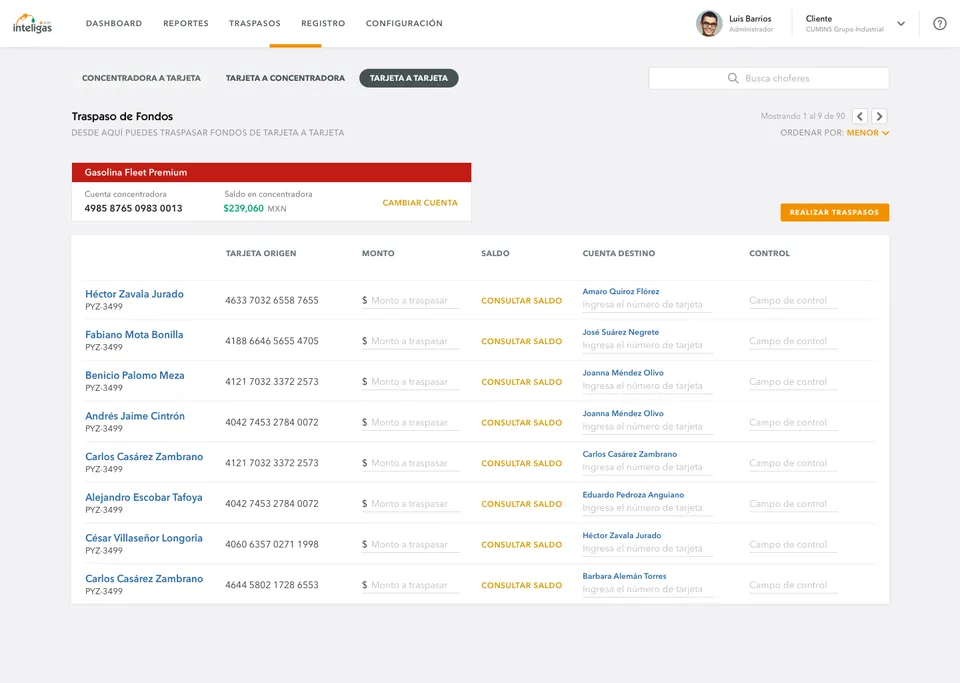
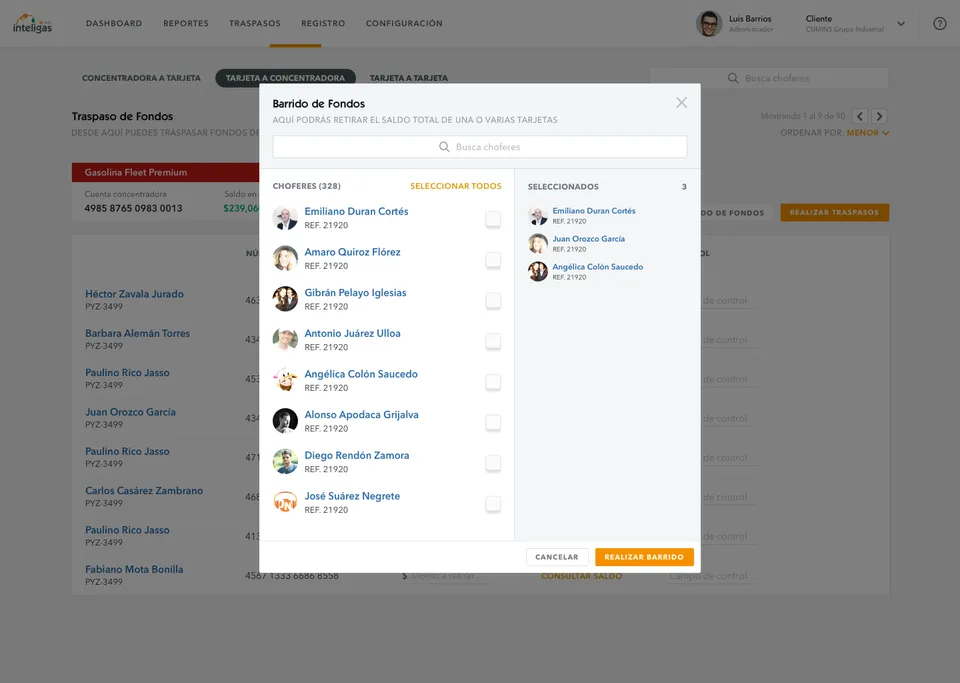
- Sending funds to each driver’s fuel card.
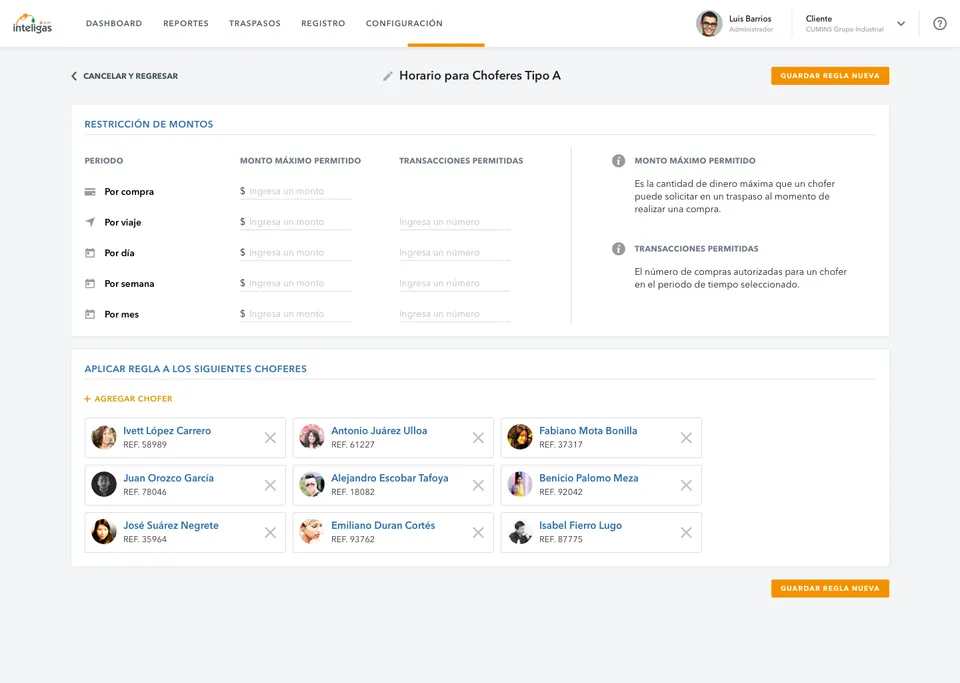
- Spending rules that set when, where and how much drivers can spend.
- Real-time tracking of every driver on the road.
Drivers needed help while on the road:
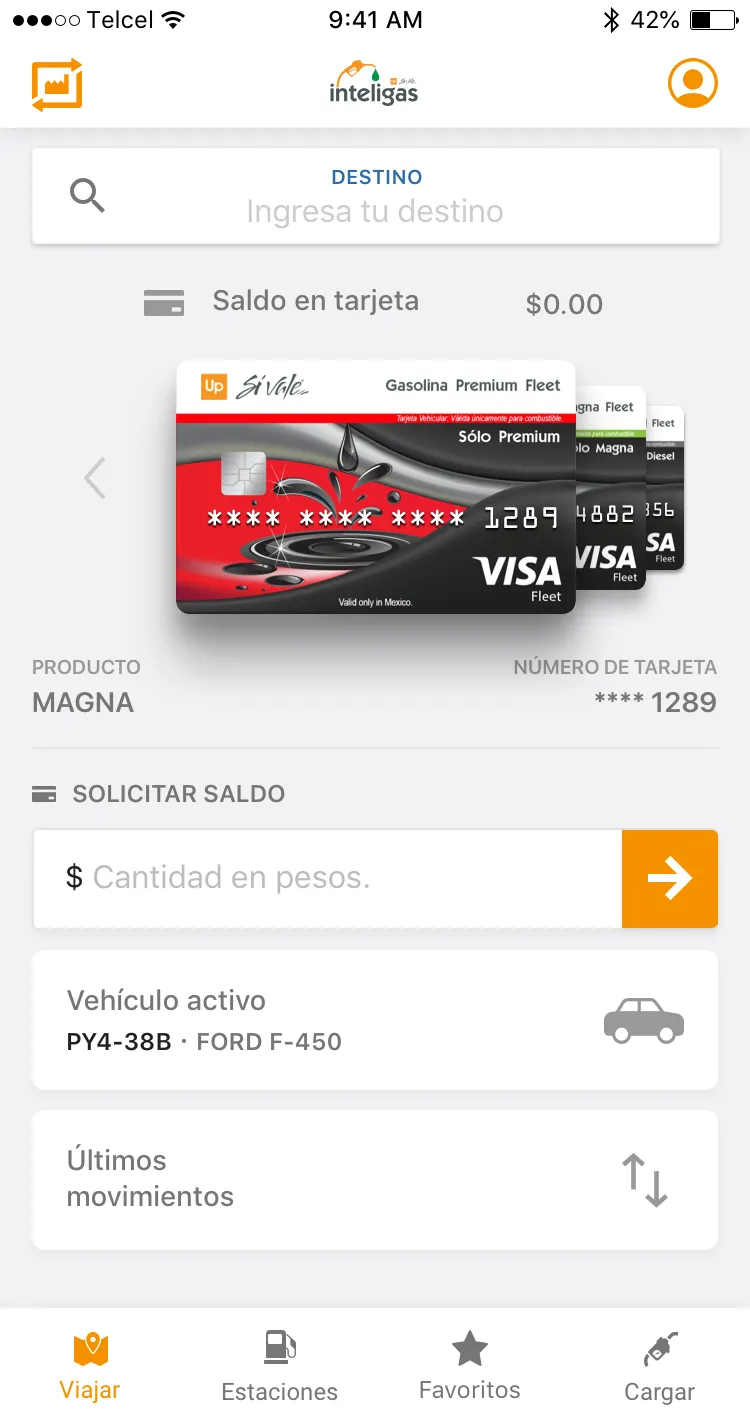
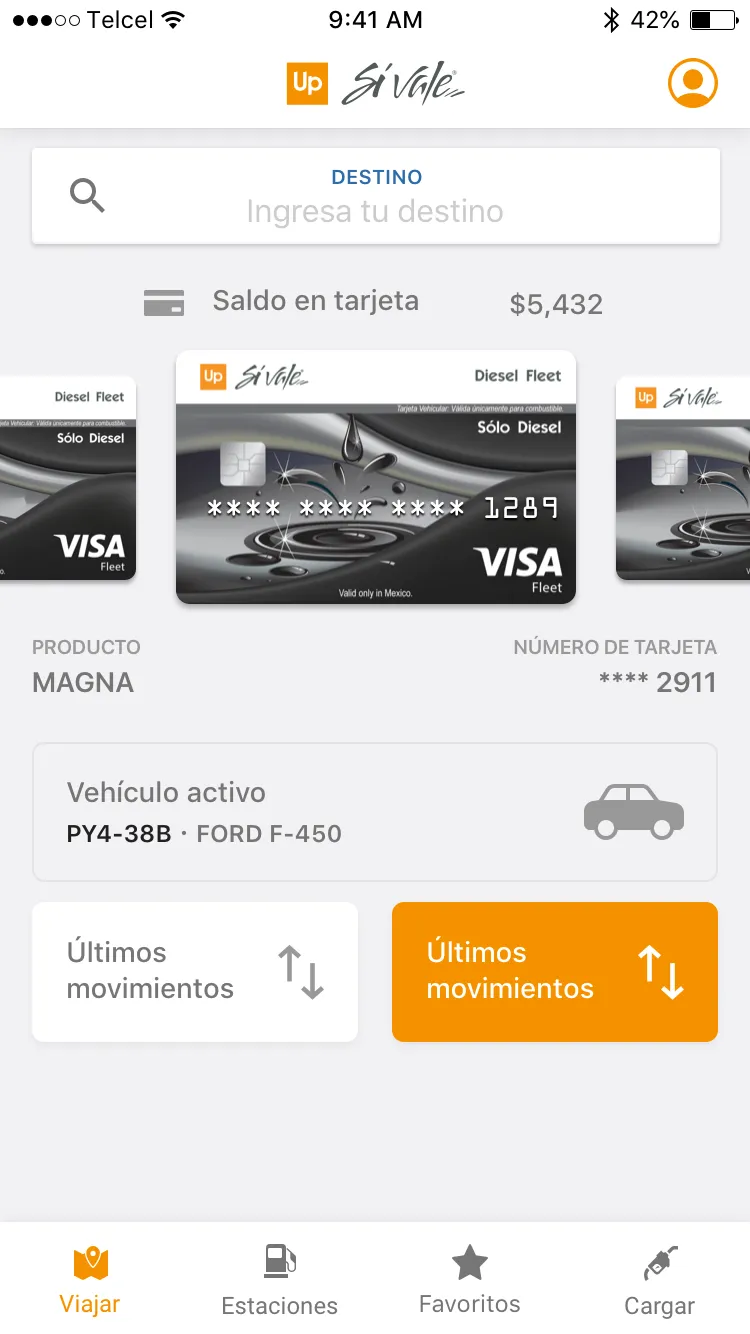
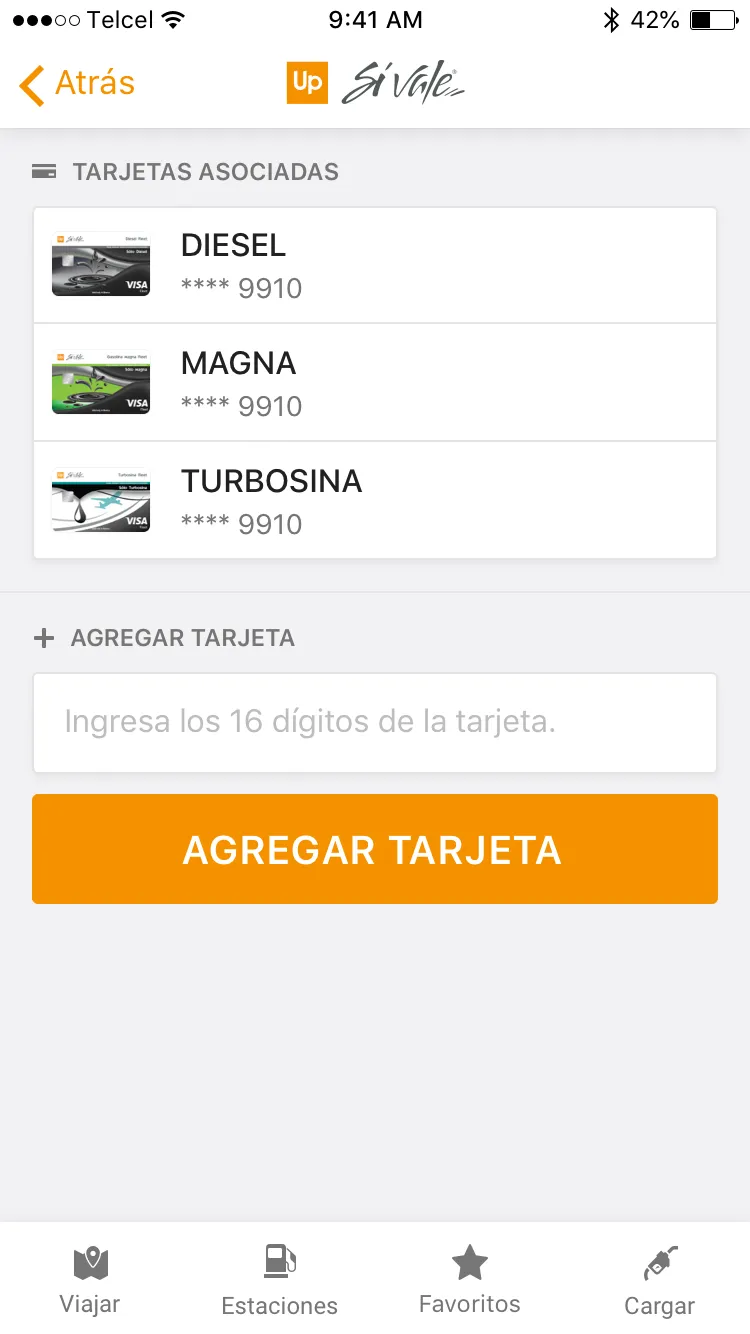
- Checking their card balance and requesting funds.
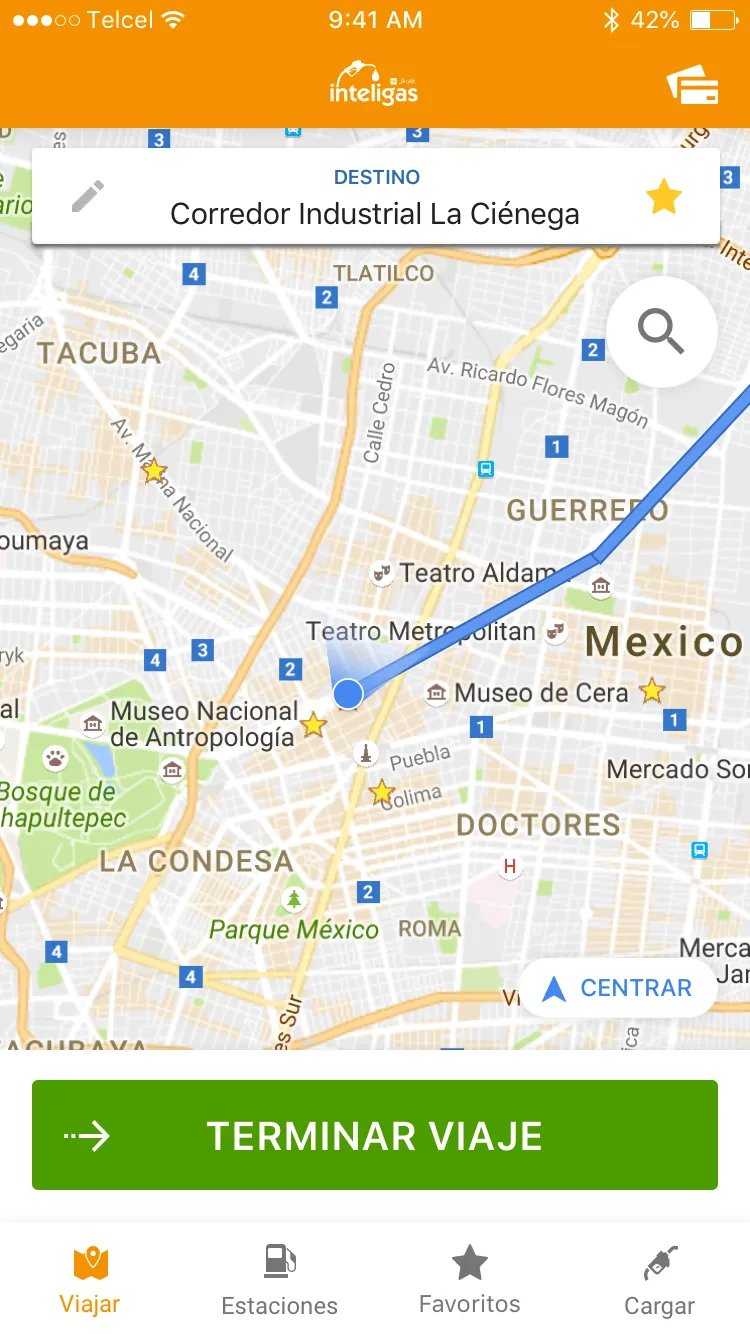
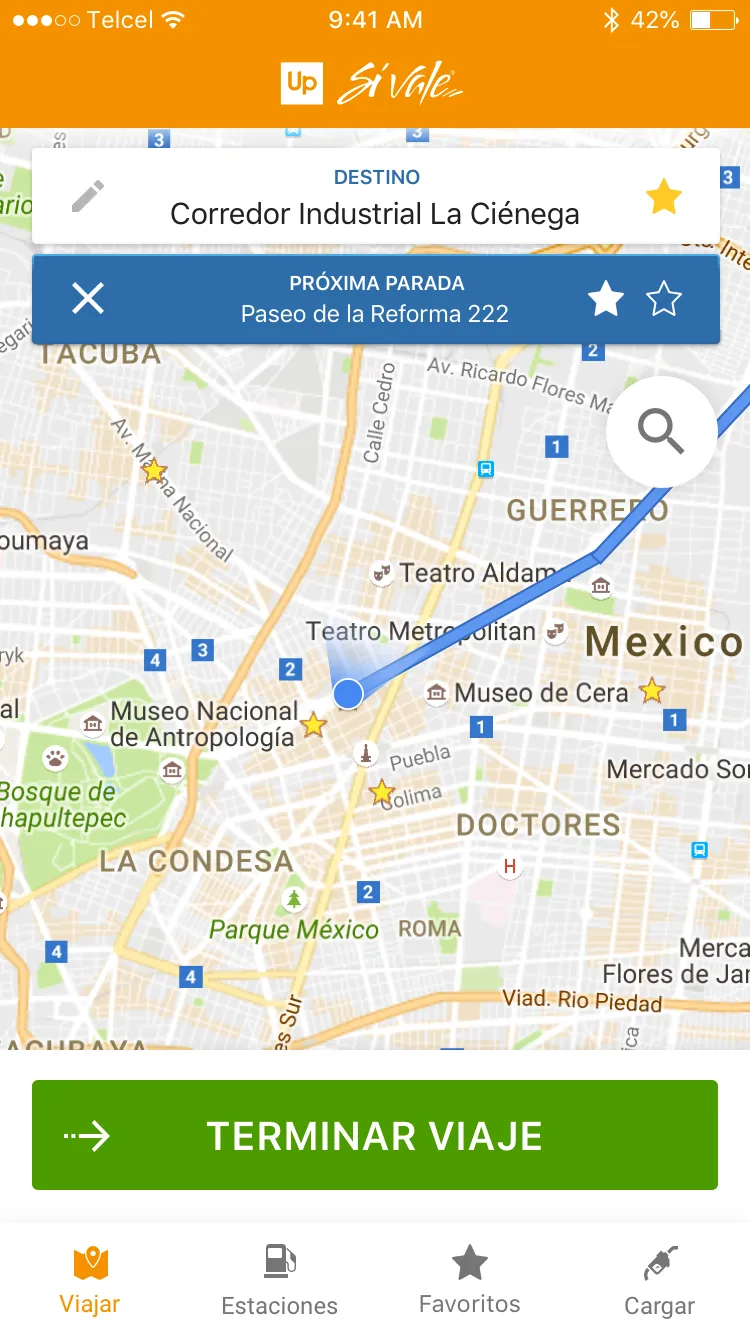
- Starting a journey and navigating to their destination.
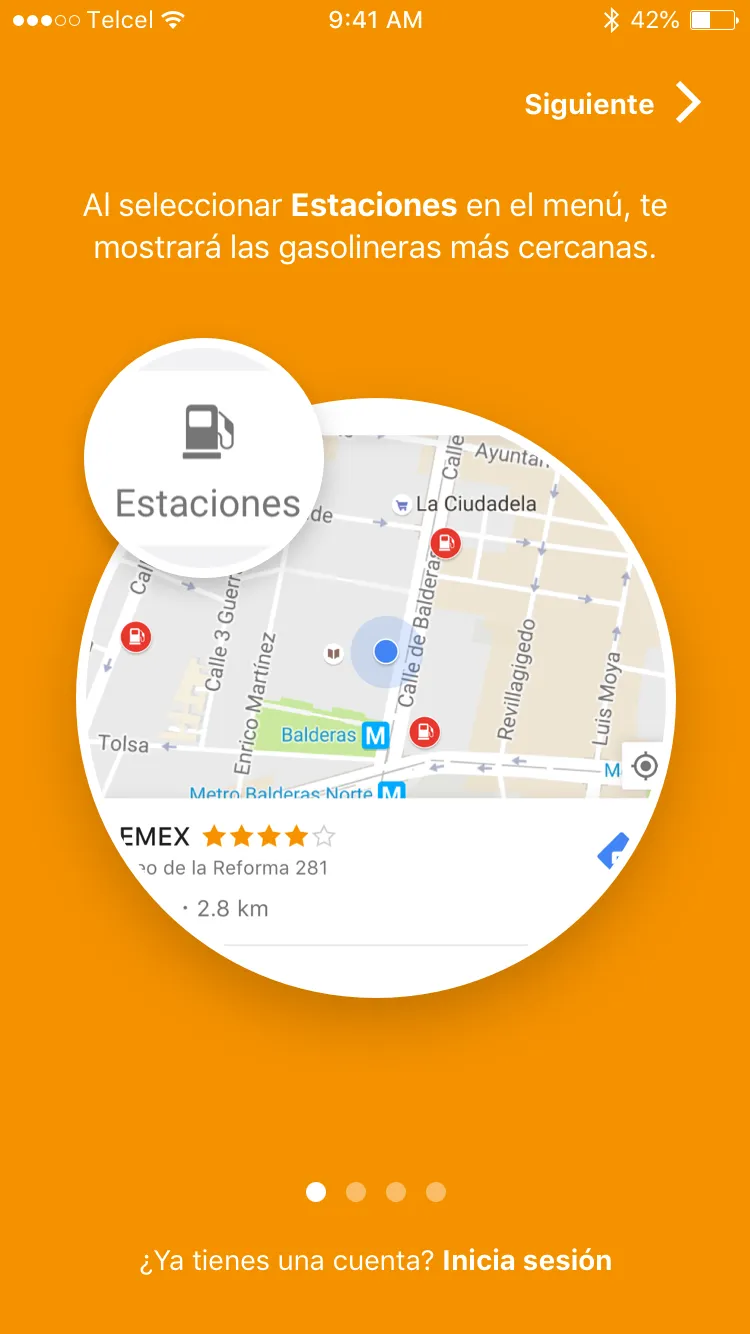
- Finding nearby gas stations and comparing fuel prices.
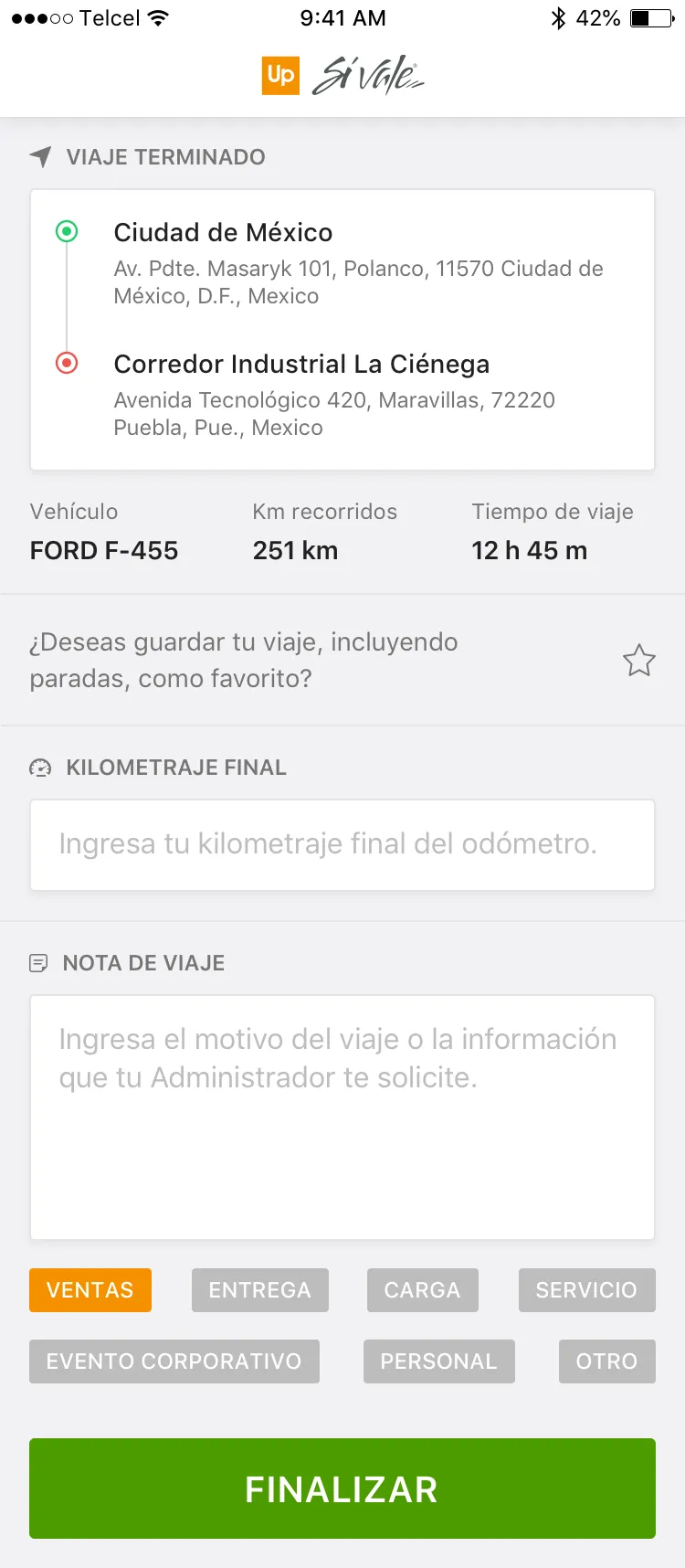
- Logging each fill-up and sending detailed reports to their manager.
Setting direction with a Design Sprint
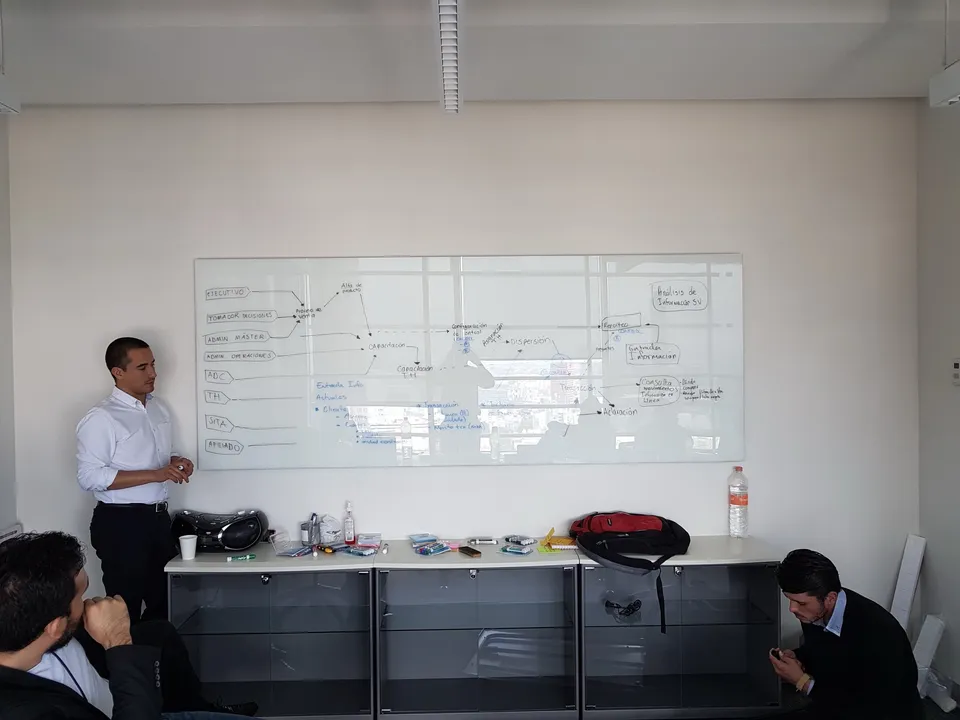
I led a Google Design Sprint at the start of the project to focus everyone on the right solution. In five days we:
- Defined the core flows for both sides: starting a journey, refueling, reporting and requesting funds.
- Aligned stakeholders from Up Sí Vale’s business, IT, customer success, and product teams on one direction.
- Tested a prototype with real clients before any code was written.
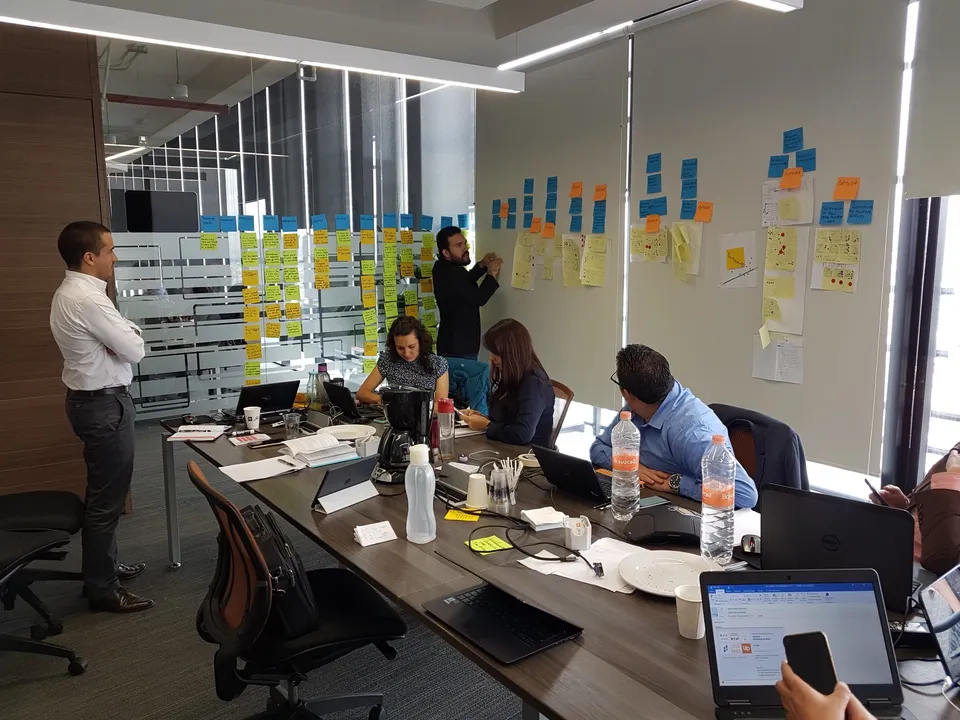
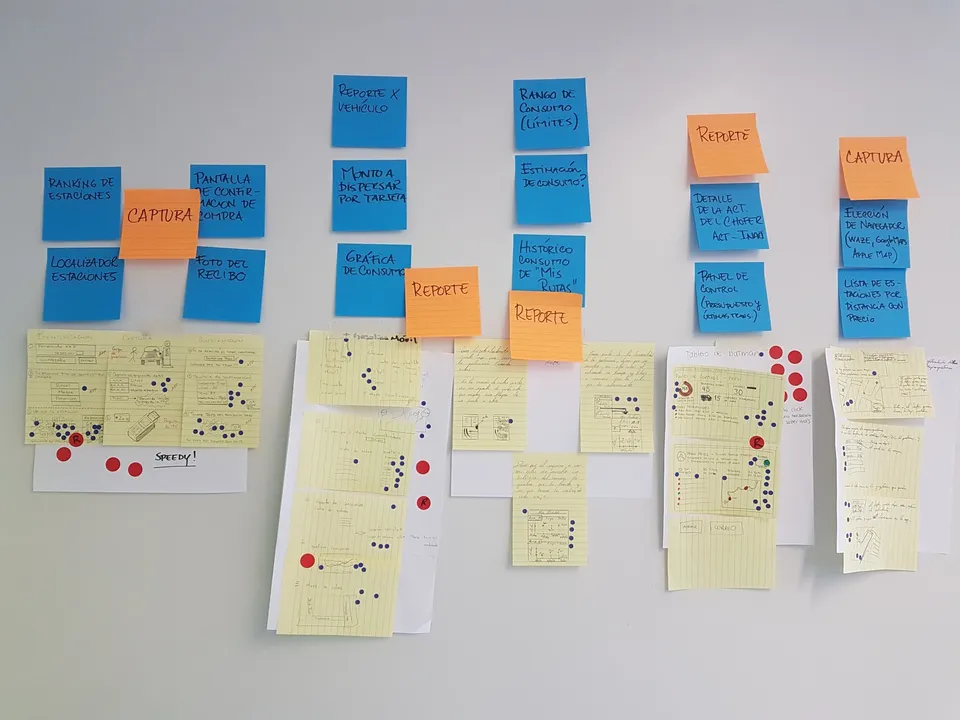
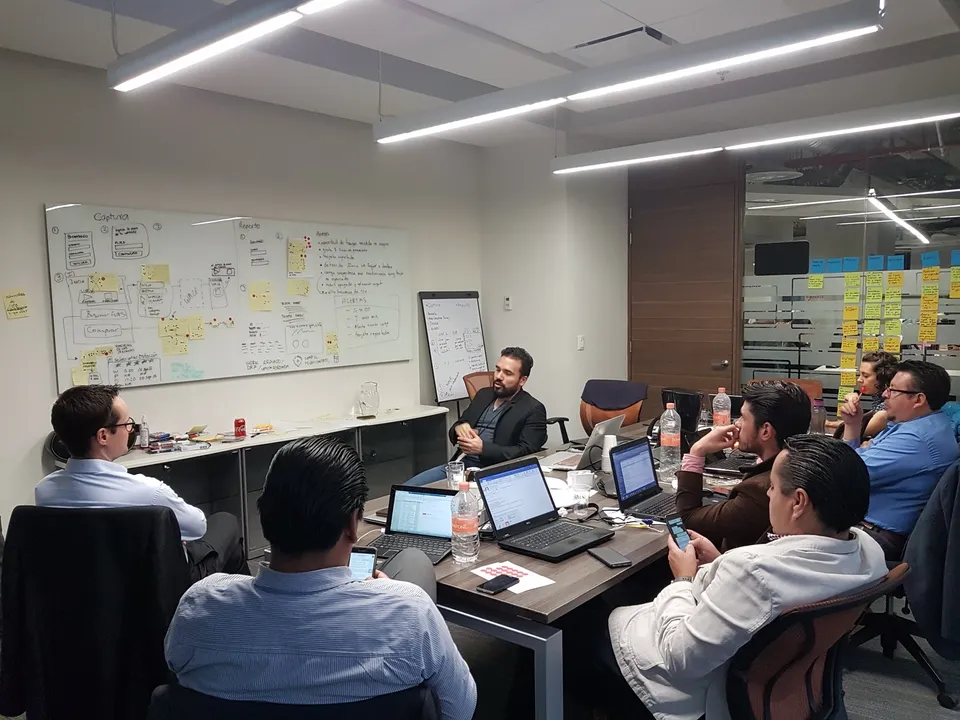
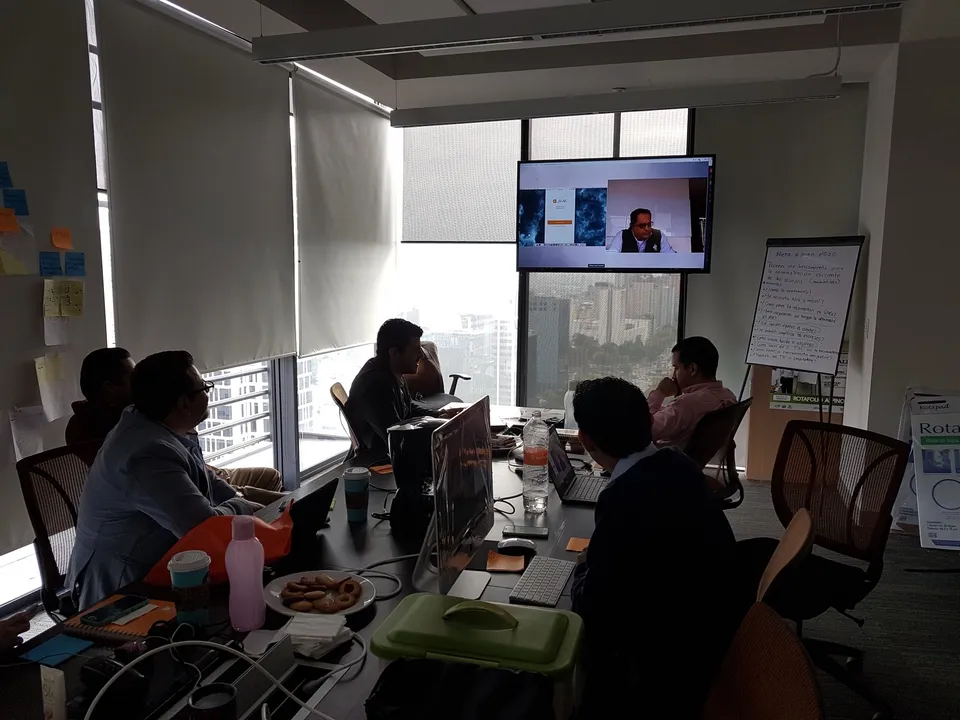
A small team on a big B2B endeavour
We were an interdisciplinary team of six: 3 developers, a product manager, a business development lead and me as the designer. We worked closely, in two-week agile sprints, alongside Up Sí Vale’s business and IT teams. Building a two-sided product for corporate clients, with payments, spending controls and real-time tracking, was a huge undertaking for a team that size, and we took it from sprint to national launch in a few months.
The hard problems
Spending controls that don’t block real work. Managers wanted tight rules on fuel spending. Drivers needed to fill up wherever the job took them. I designed rules managers could set by amount, place and time, and a driver flow that tells them clearly when a purchase is approved and how much they can spend.
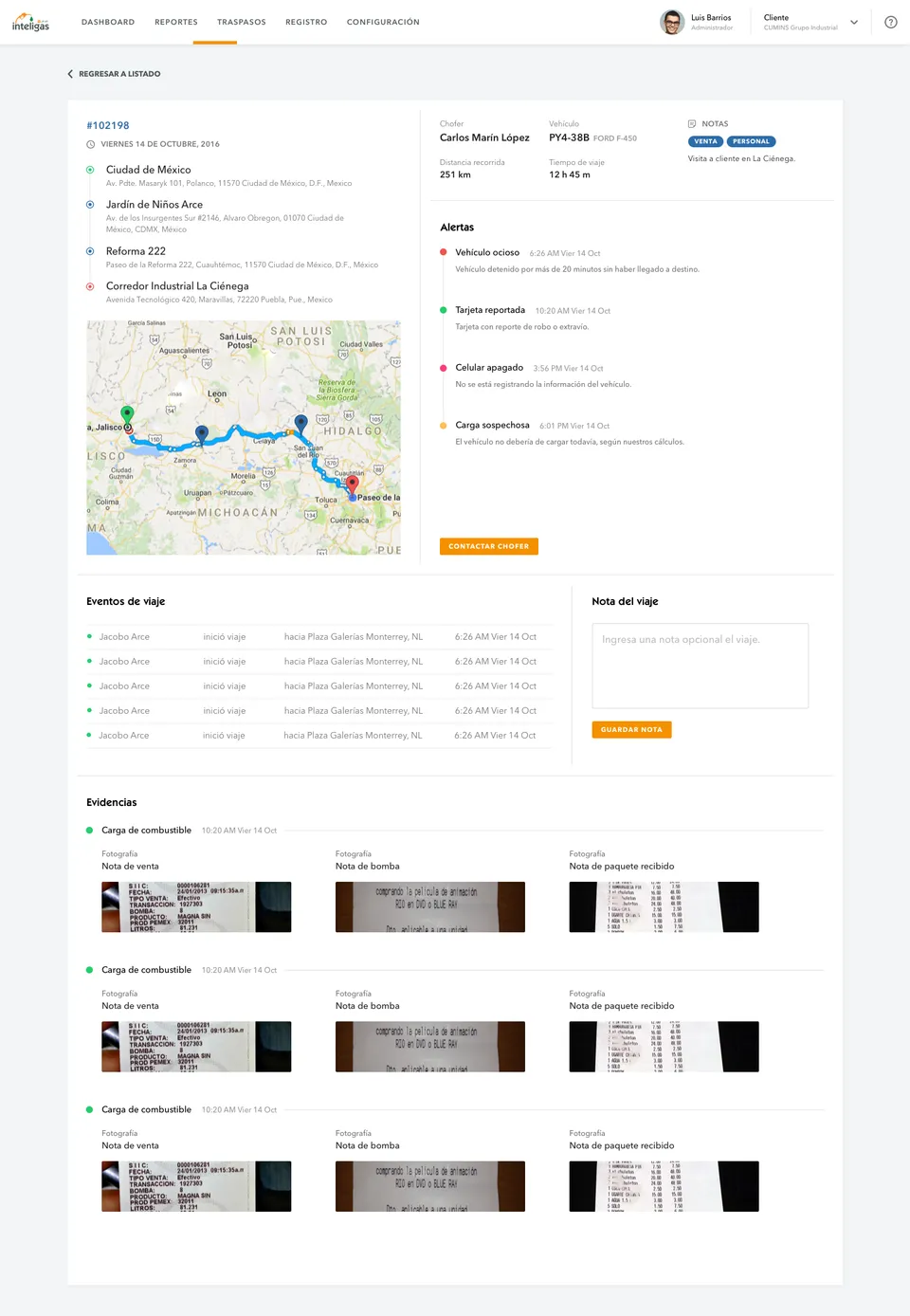
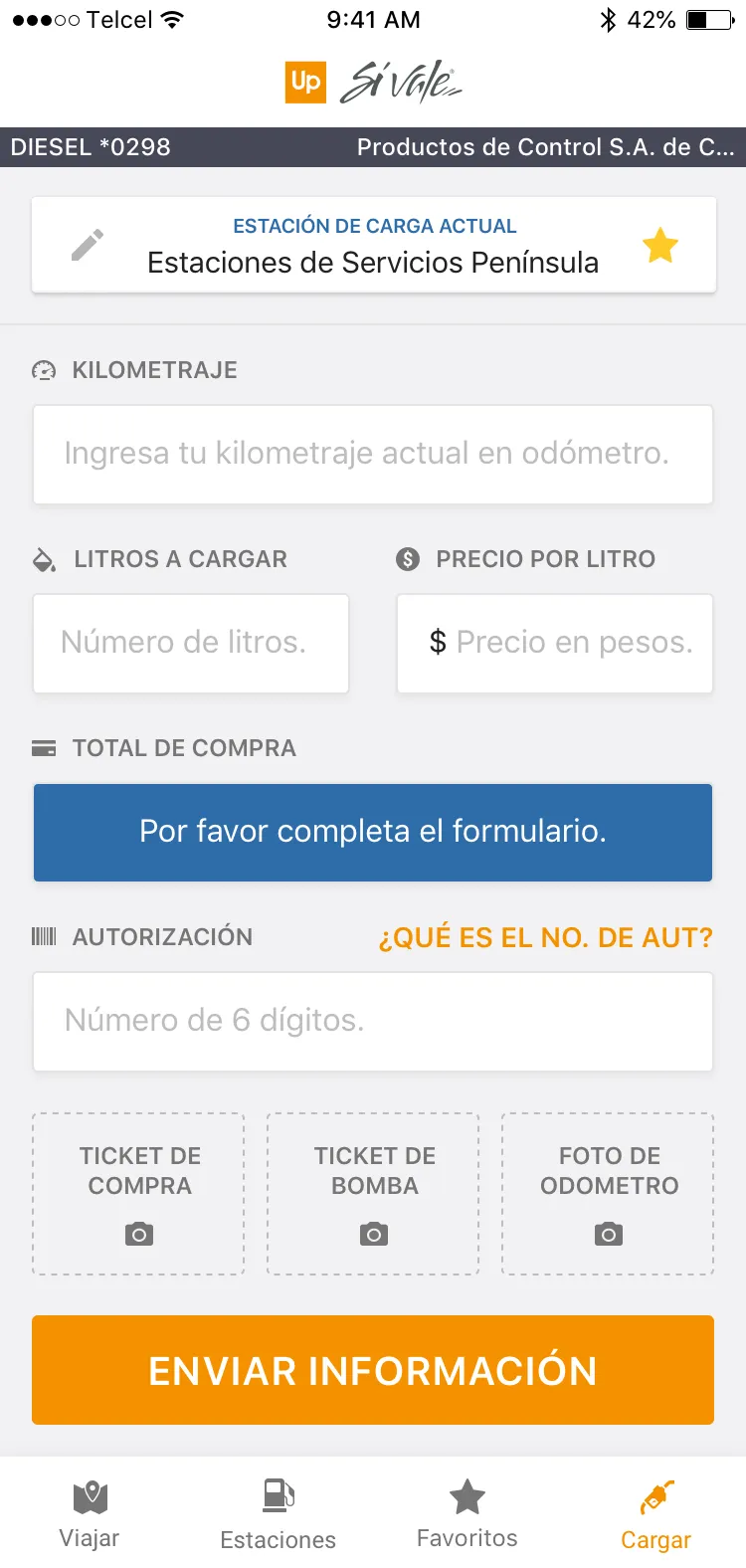
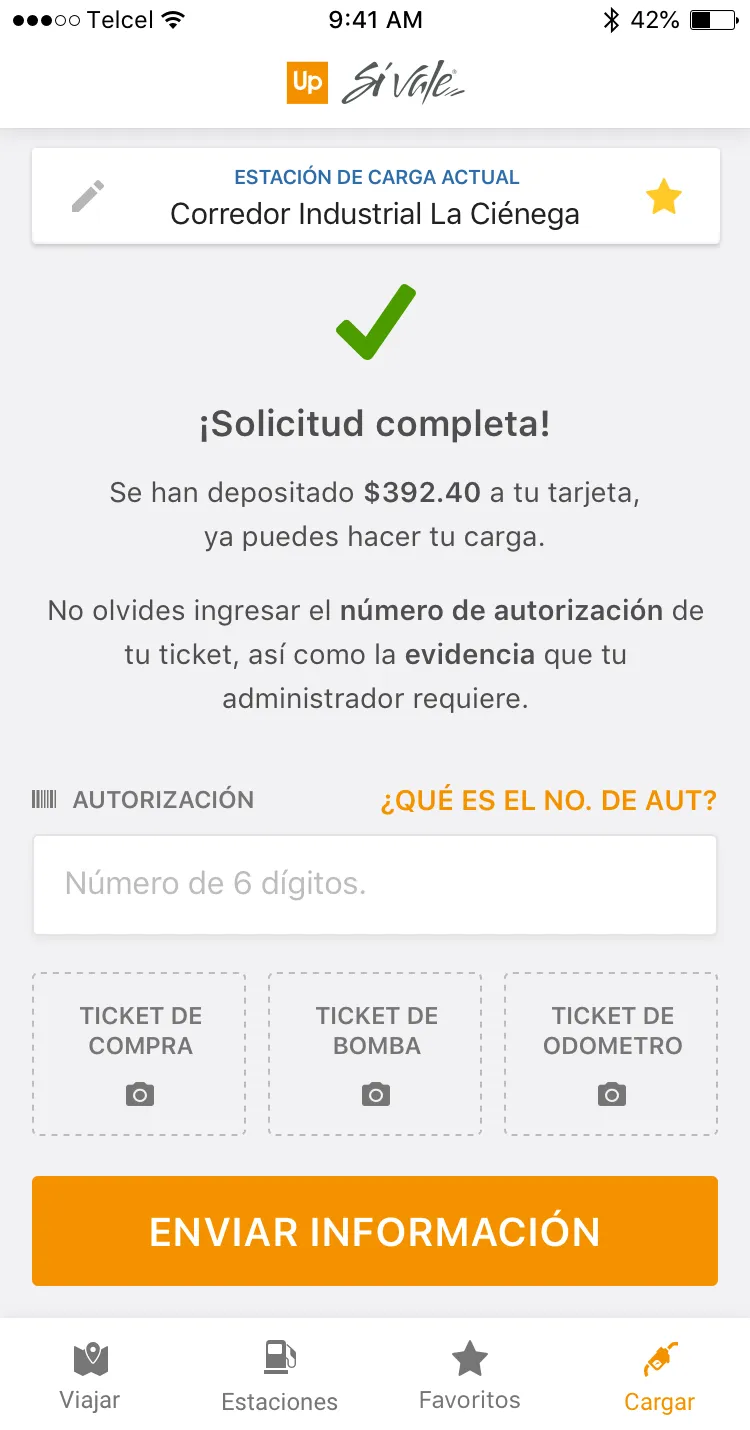
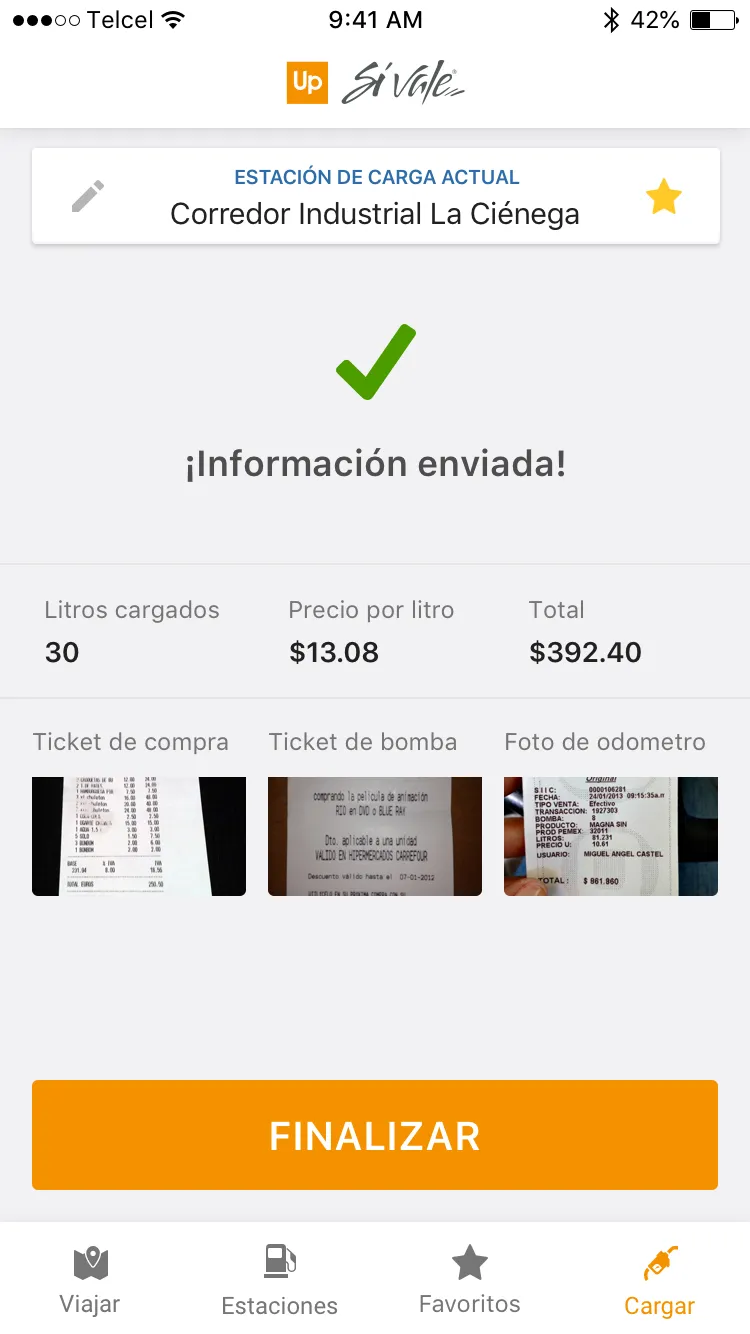
Proof of purchase at the pump. Every fill-up needed evidence. I designed the purchase flow so a driver could capture all of it in a few taps, standing at the pump, and send it straight to their manager.
Two audiences with different jobs. Managers sit at a desk and need dense, detailed data. Drivers are on the road and need big targets, few steps and glanceable information.
I designed the web app for depth and the mobile app for speed.
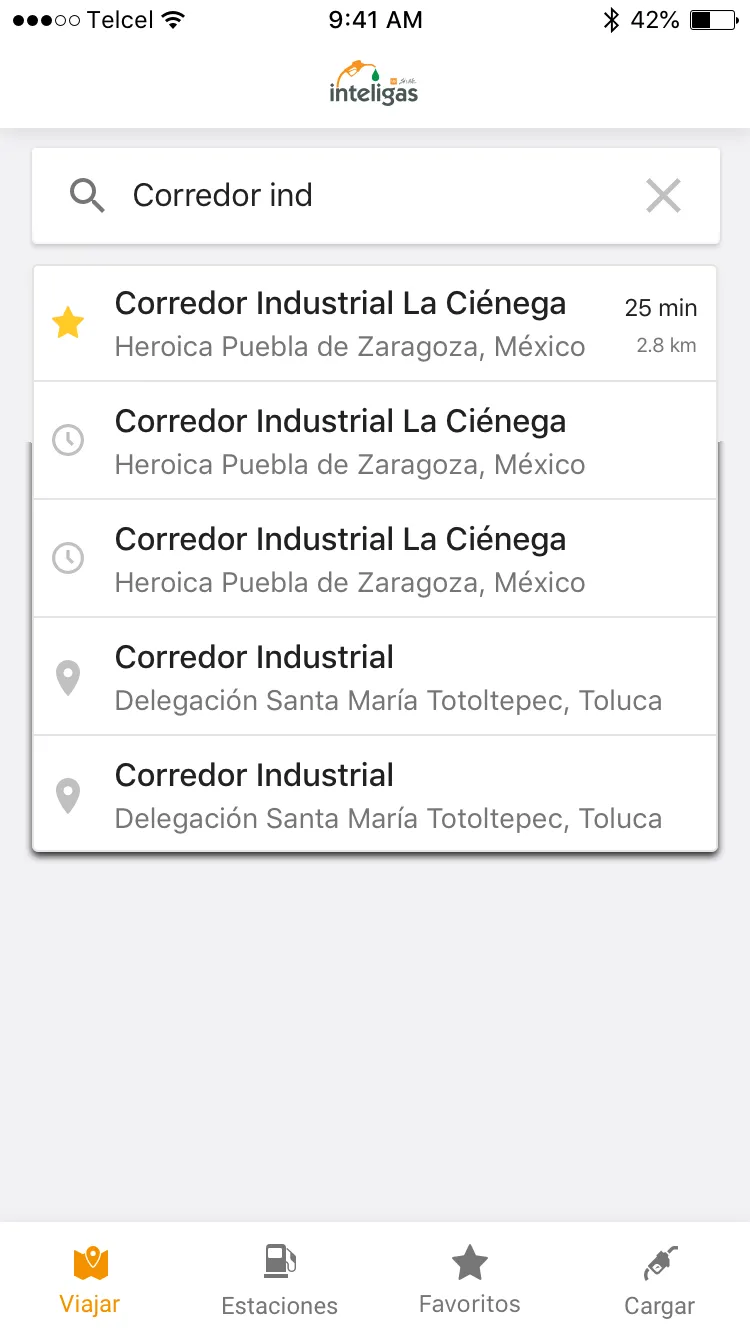
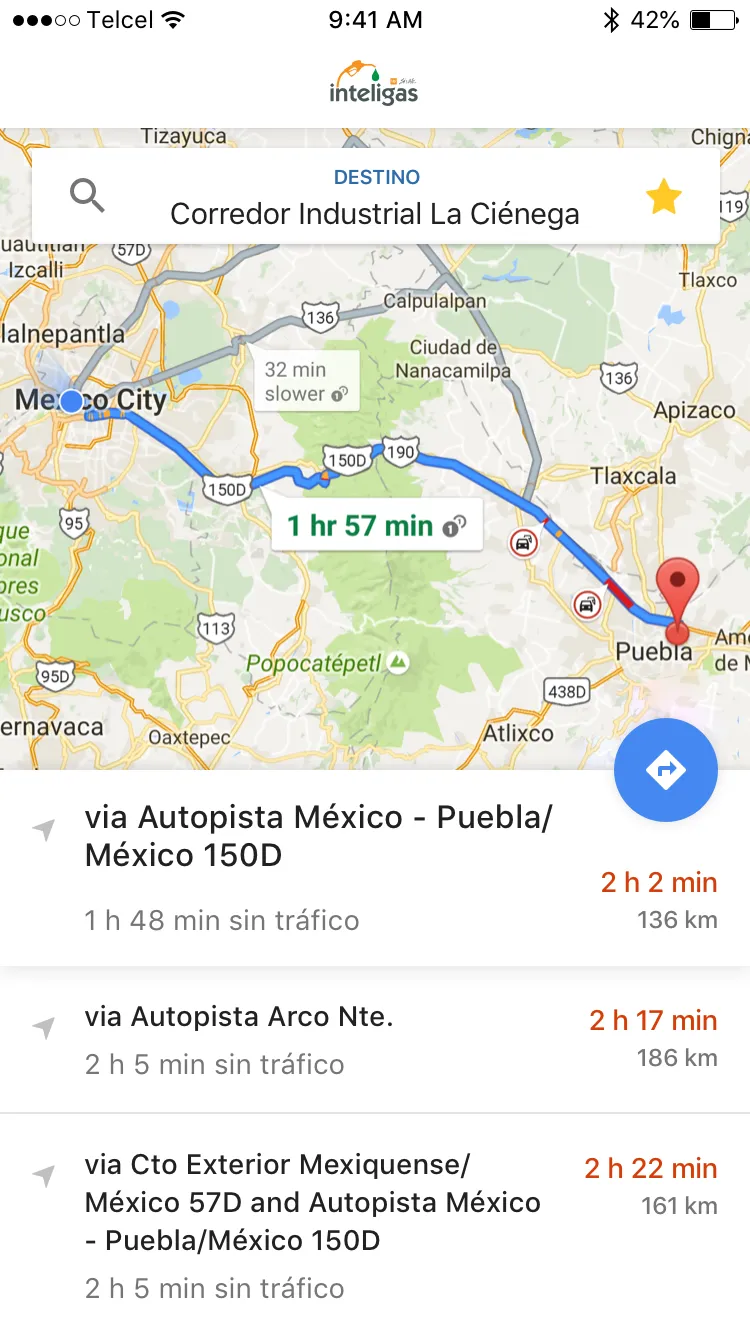
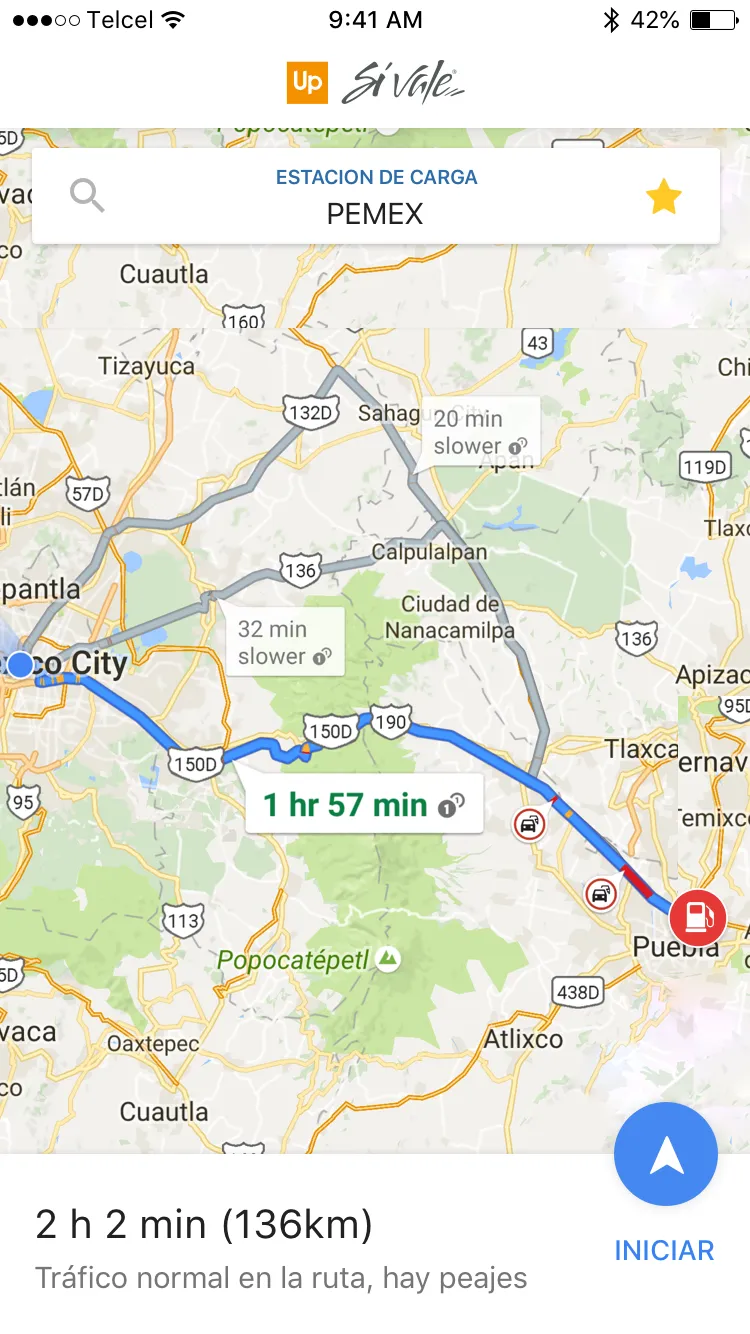
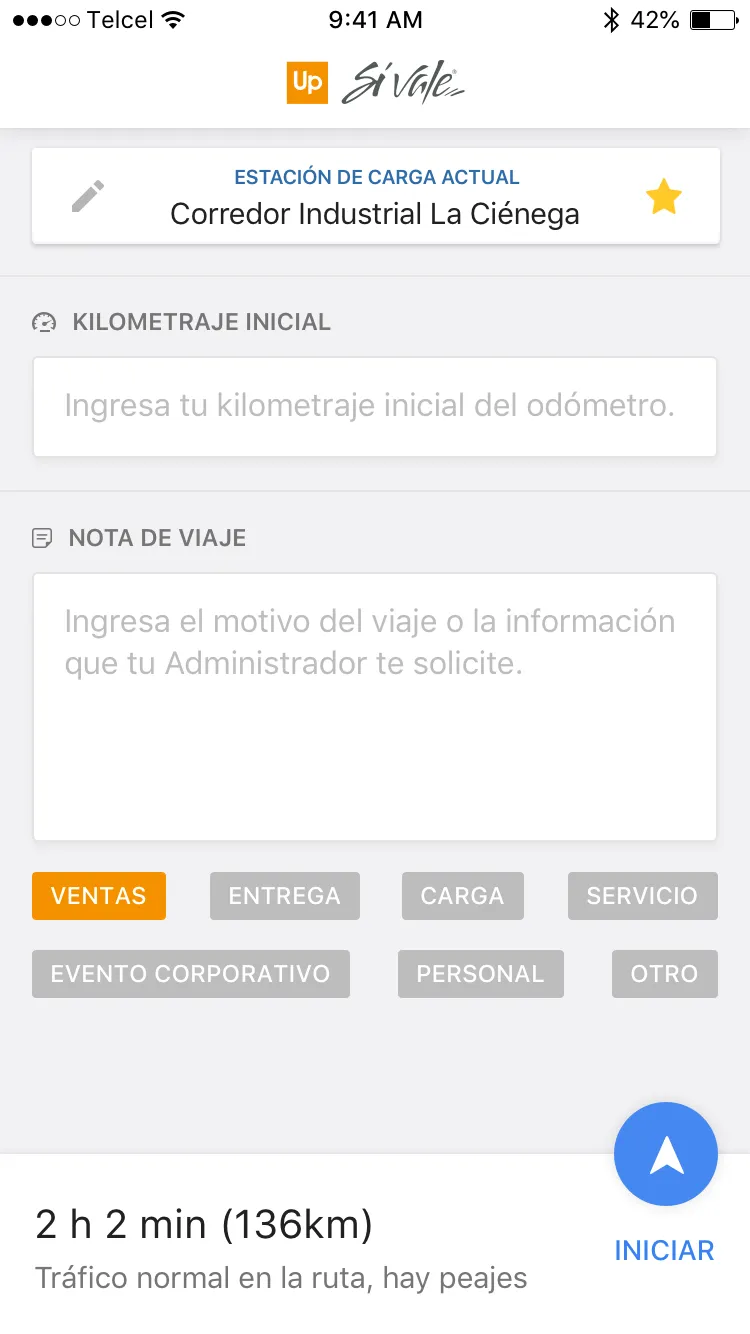
The driver’s day
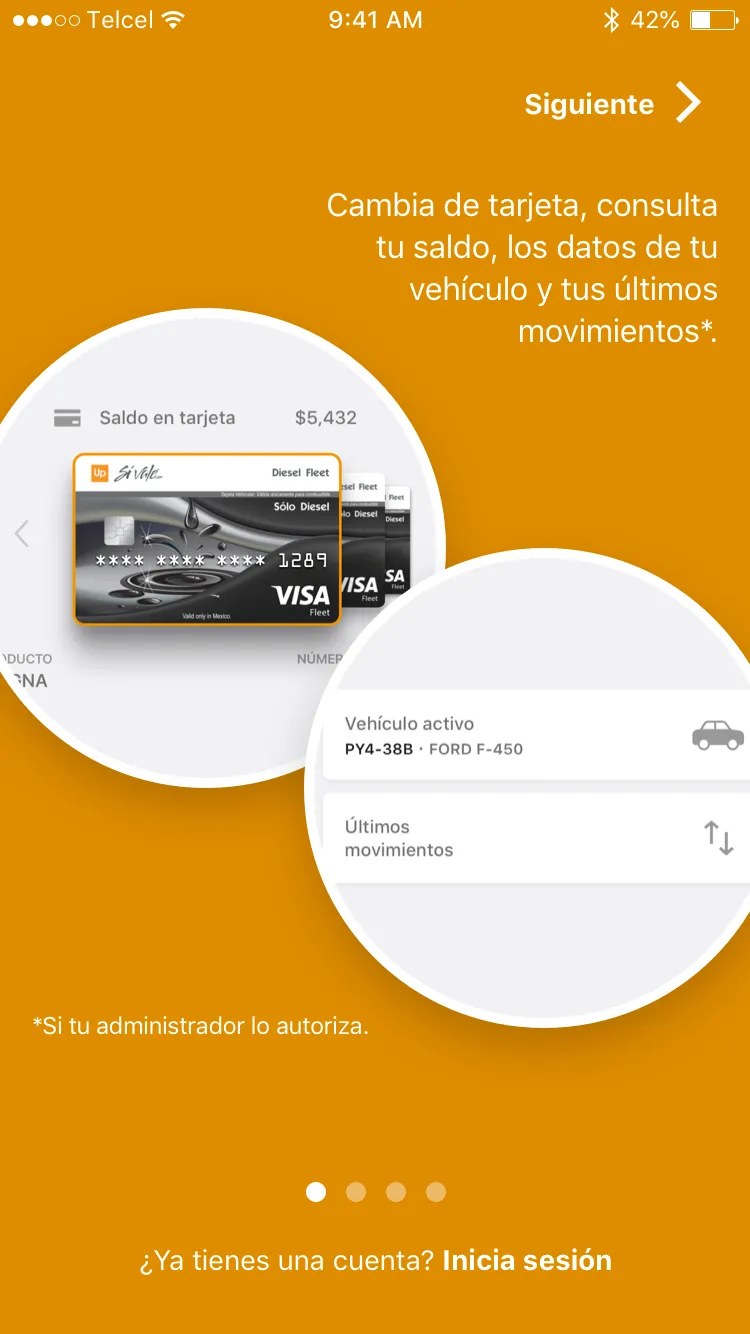
- Home. Card balance, active vehicle and recent transactions, with a one-tap request for more funds.
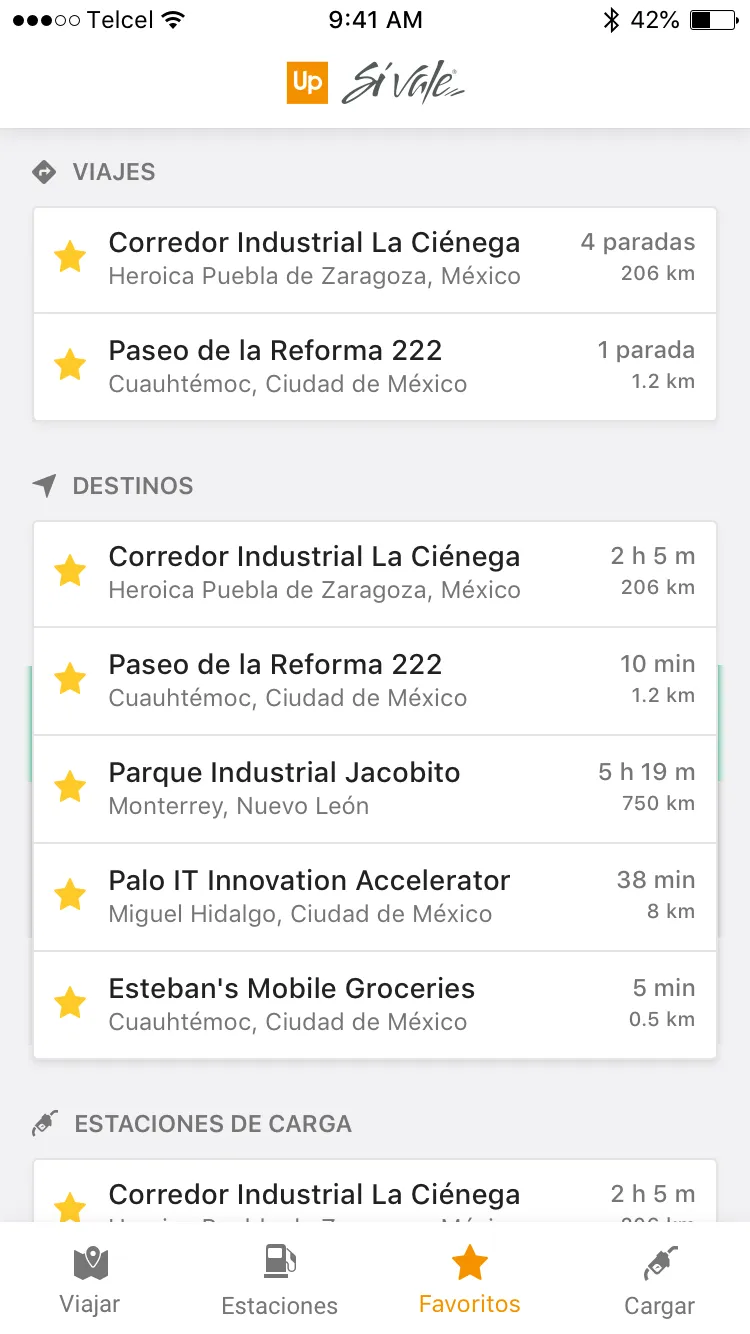
- Start a journey. Search a destination, compare routes and log the starting odometer.
- Navigate. Turn-by-turn directions, with stops added along the way.
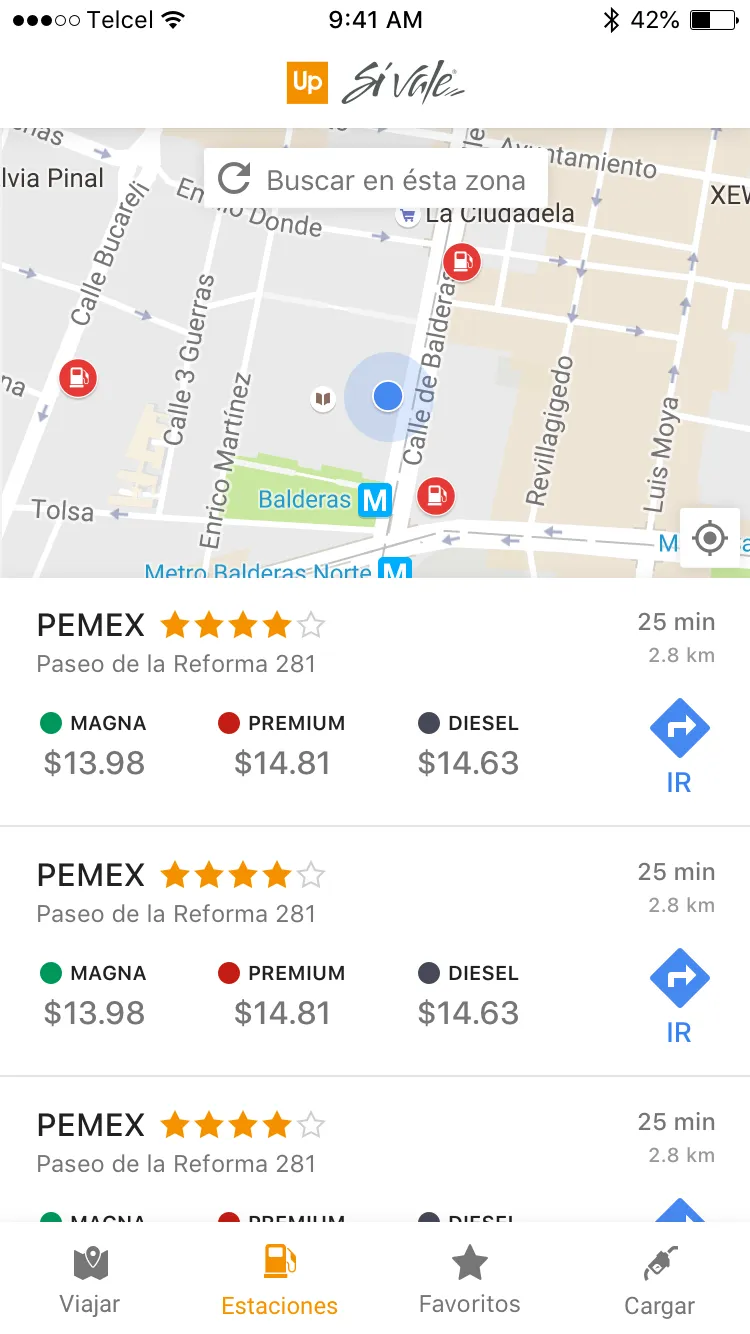
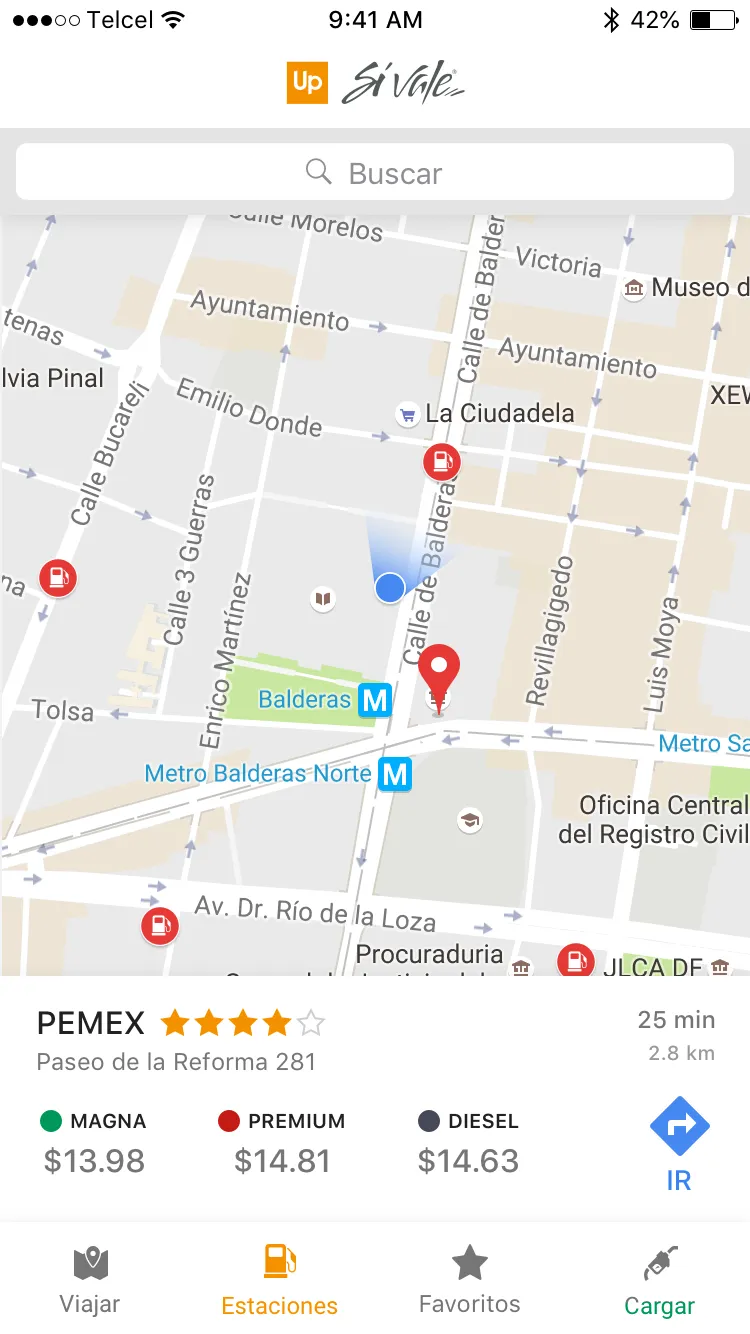
- Refuel. Find nearby stations with live prices for Magna, Premium and diesel, then log the purchase with photos.
- End the journey. Record final mileage and the reason for the trip, and the report goes to the manager.
Outcome
- Inteligas launched in March 2017 on iOS and Android, rolling out to companies across Mexico.3
- The launch drew coverage in El Economista, Merca2.0, the trade press, and news shows.1, 2, 3
- It launched successfully with Up Sí Vale’s corporate clients, promising companies savings of 20% to 30% on fleet fuel.1, 3
- Innovation Week Magazine named Up Sí Vale México one of the 50 most innovative companies, thanks to Inteligas.
What I’d do differently
Bring customers and drivers into testing throughout. We tested the sprint prototype with drivers, but in a B2B product, fleet managers and drivers are hard to schedule. I’d set up a standing panel of client companies and drivers from day one so every release could be tested with the people using it.