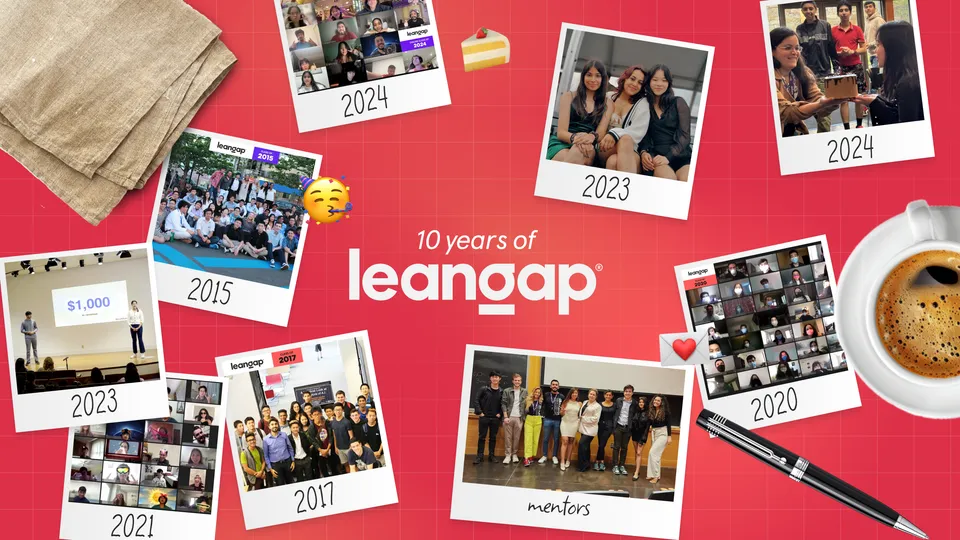
I've led Leangap for over a decade. I designed the program, built the brand, grew and trained the team, mentored more than 1,000 students, and grew net revenue 4x.
Leangap is the most renowned entrepreneurship program for teenagers in the world. Every summer, high school students aged 14 to 17 build real companies, with real customers, in four weeks, then pitch them to Silicon Valley investors.
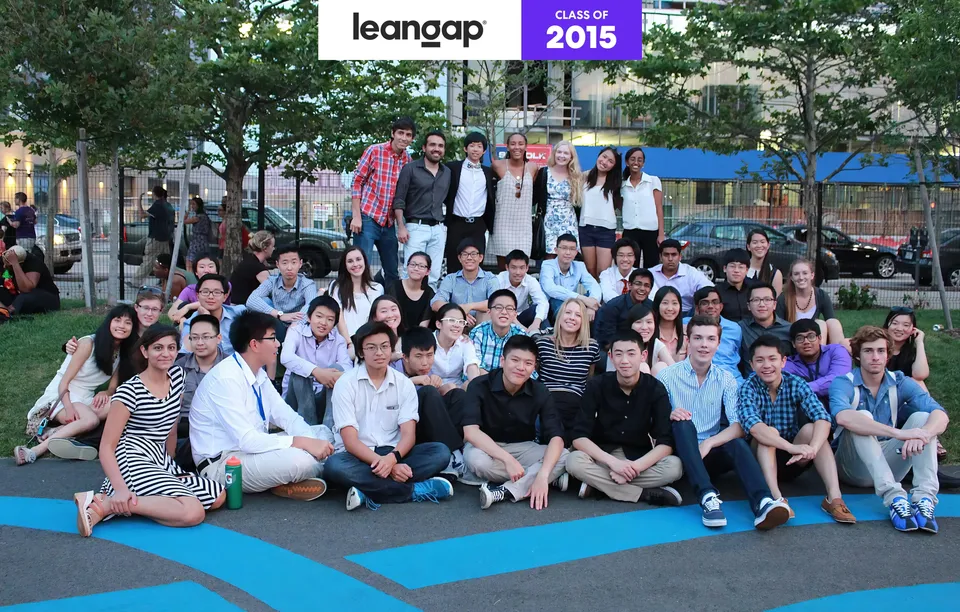
I co-founded Leangap in 2015 and have led it since as Managing Director and lead instructor. Over 2,000 teens from more than 20 countries apply to Leangap each year.1
Leangap is where I practice design at the scale of an organization. I designed the program itself as a product, built the first version of every part of the business, and trained the people who own each part today.
Why Leangap stands apart
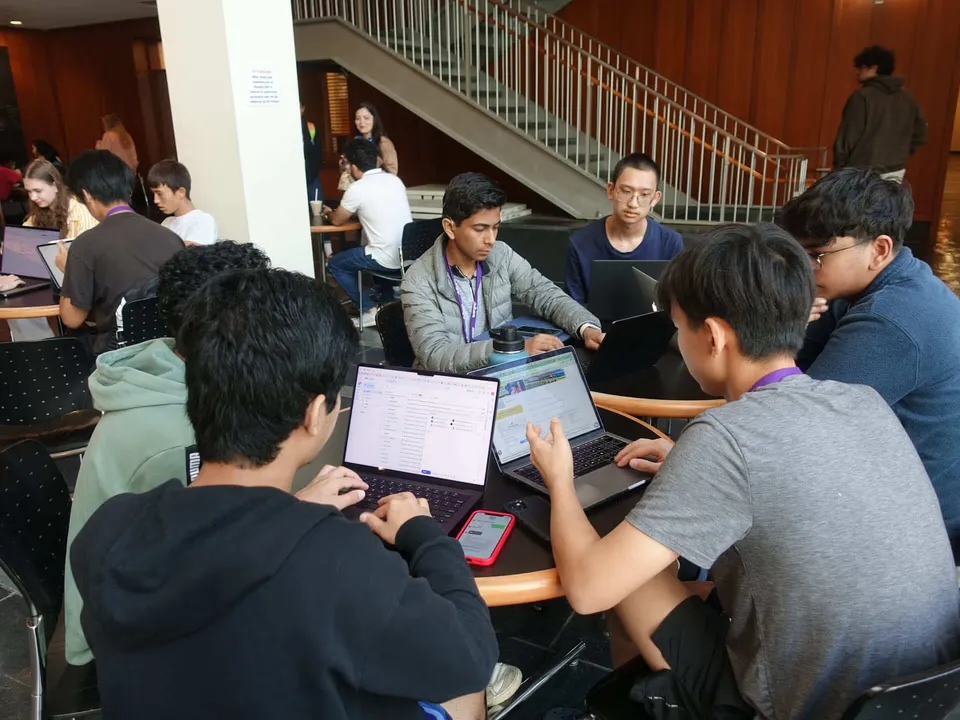
Most entrepreneurship programs for teenagers run on lectures, simulations and mock pitches. I designed Leangap around the opposite idea: students learn entrepreneurship only by building and selling. The curriculum is almost entirely action.2
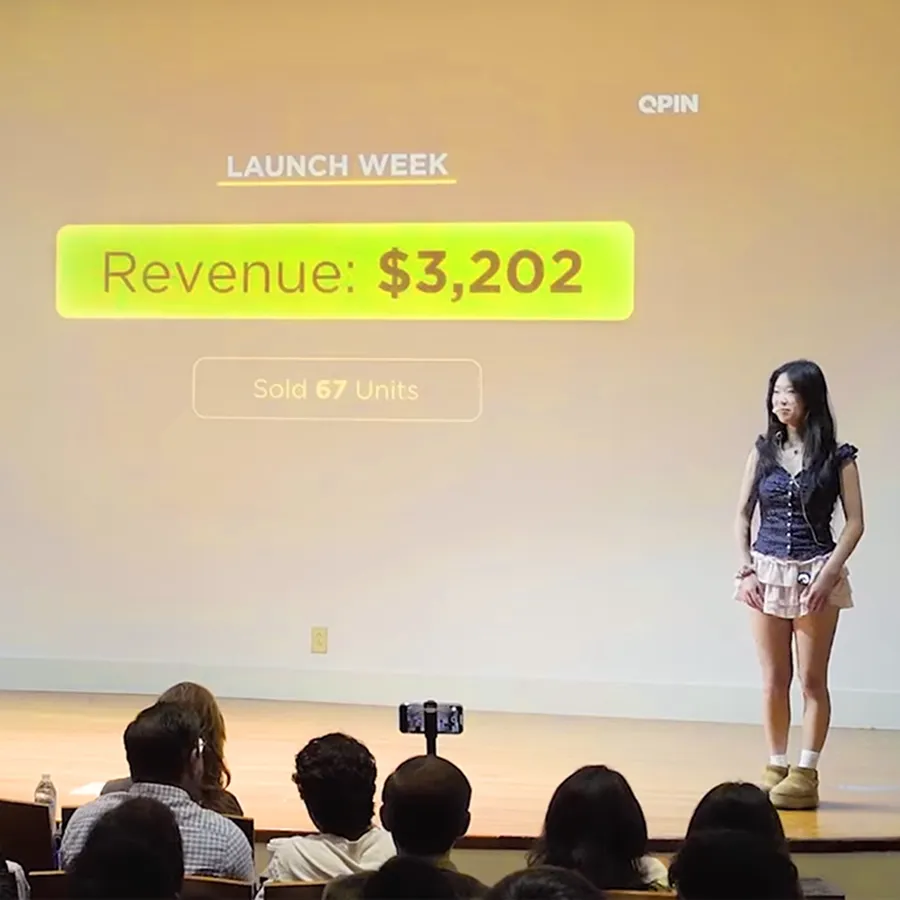
Every year, every Leangap team reaches real traction by Demo Day, with real sign-ups and real sales. Leangap has only one real competitor, LaunchX. In a side-by-side comparison of 2023 and 2024 Demo Days, 100% of Leangap teams had real traction, against 22% to 47% of LaunchX teams.4
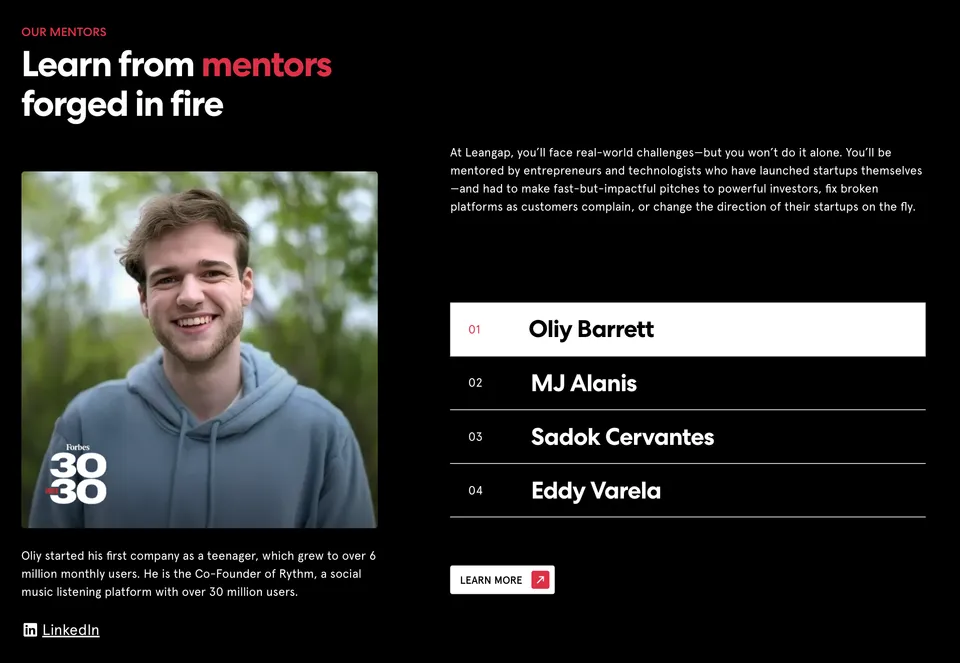
Real mentors, full time. Leangap is the only program in the world for teenagers, in any field, that brings in real practitioners as full-time mentors. That roster comes from my recruiting process and my network: talented software engineers from the largest consumer tech companies, Shark Tank entrepreneurs, Forbes 30 Under 30 founders, marketers and designers working at successful tech companies. Every mentor is handpicked and personally invited.1, 4
Because of this, Leangap is recommended by the biggest college counseling companies and hundreds of independent counselors around the world.
Designing the program as a product
Four weeks, one real company.2
- Pitch and form teams. Each student pitches an idea, the class votes, and the top ideas become teams. Teams validate their hypothesis and build a proof of concept with their mentors.
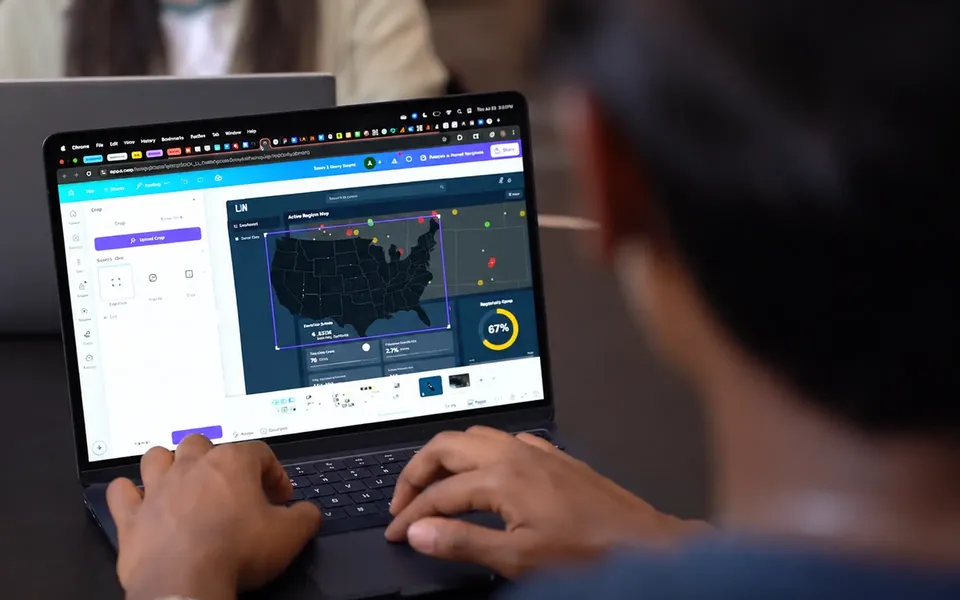
- Validate and build. Teams talk to real users, build a minimum viable product, then create a brand and launch a landing page.
- Go to market. Teams put the product in front of customers and iterate on sales, marketing and ads until orders come in. This is where projects become companies, and teens become entrepreneurs.
- Traction and pitch. Teams keep selling, then build a story-driven pitch and learn to deliver it.
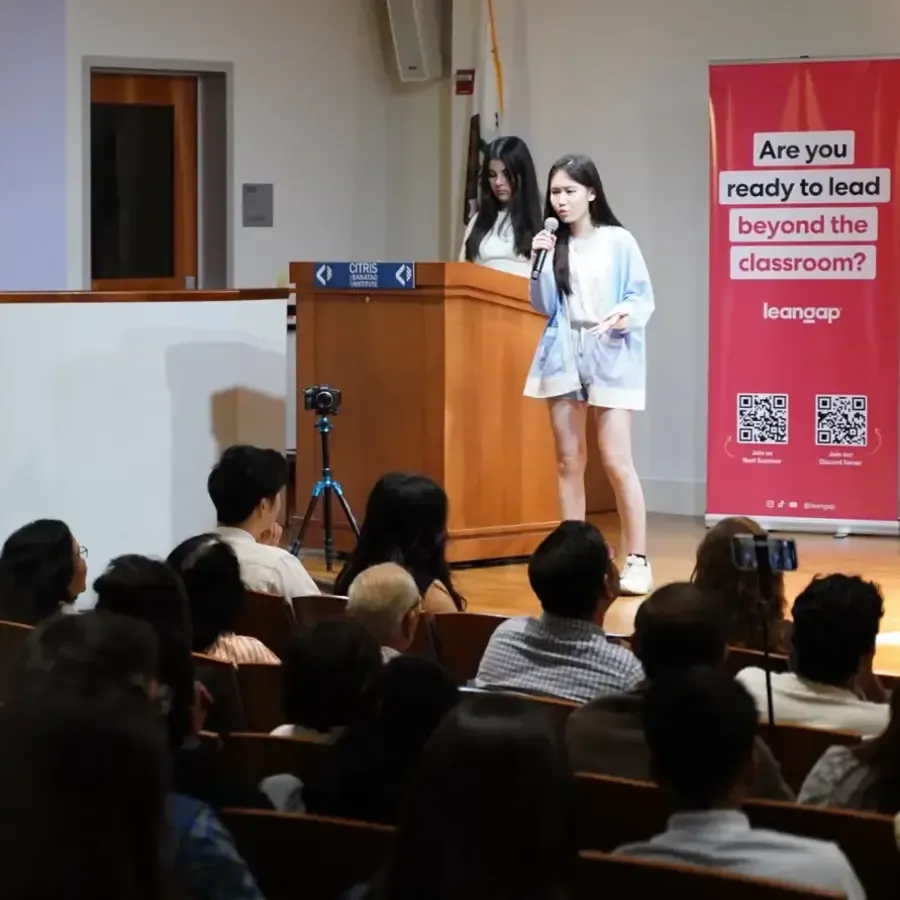
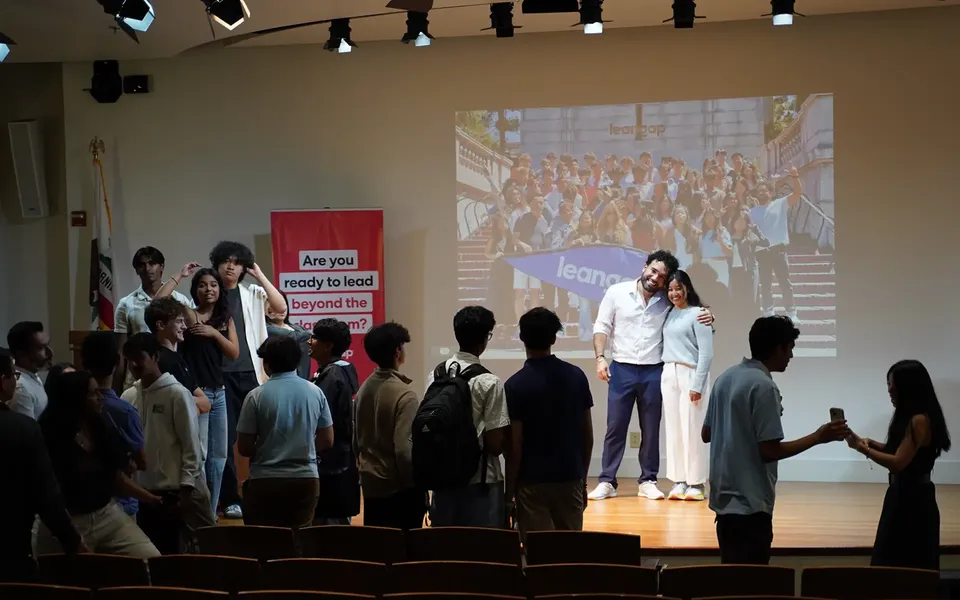
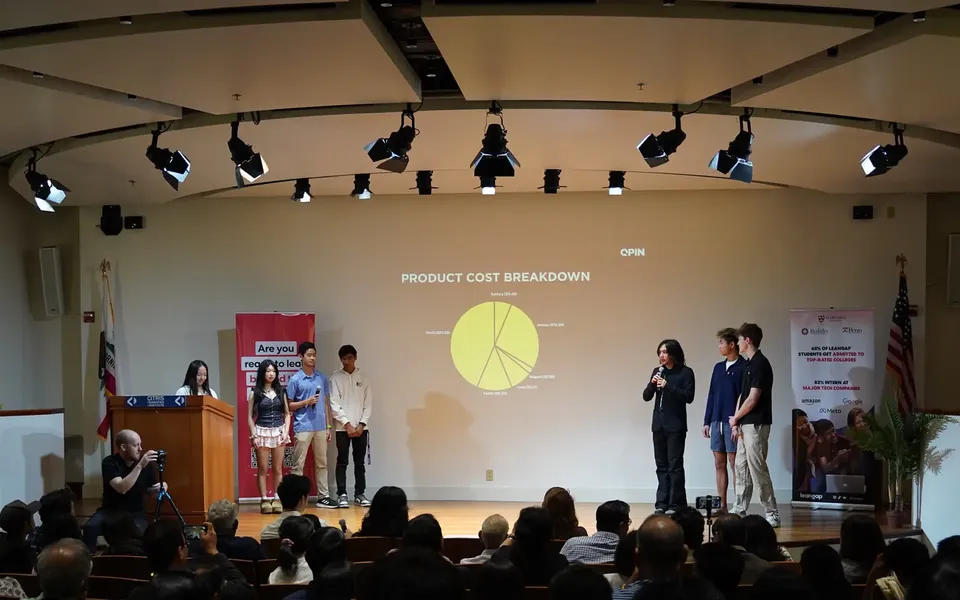
The summer ends with Demo Day, where teams pitch to a panel of Silicon Valley investors, CEOs and technologists in front of a public audience.1, 2
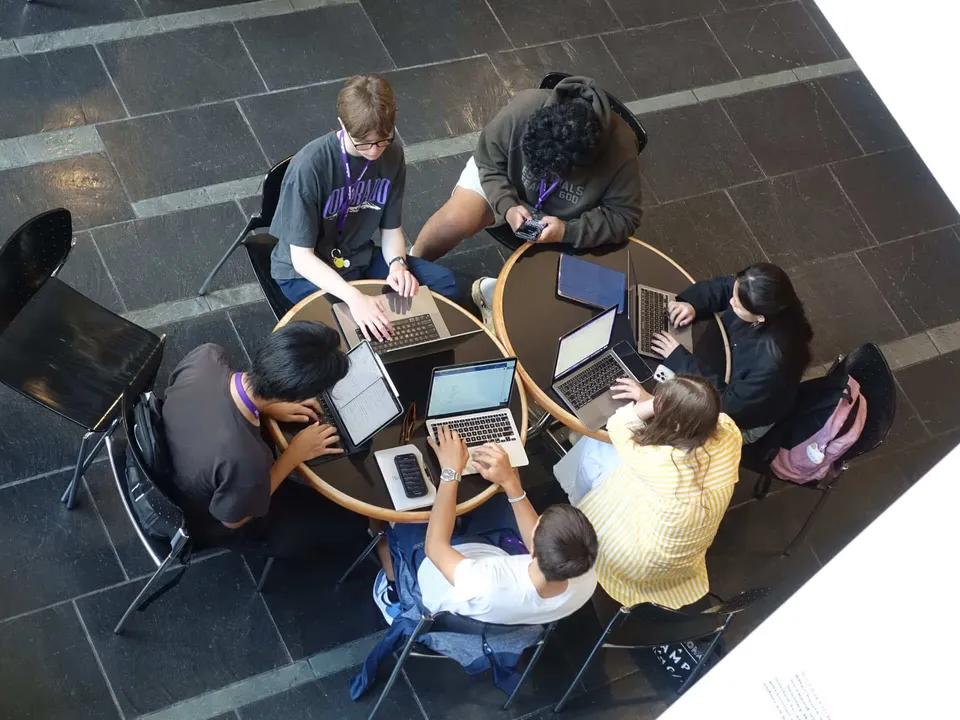
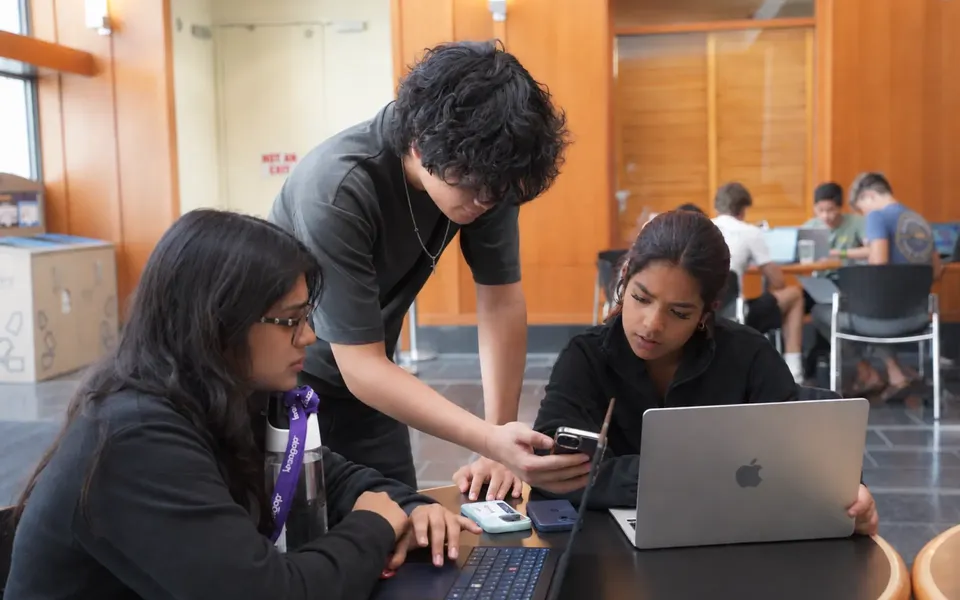
Personalization over scale. I designed Leangap around attention. A class is about 40 students, half the size of LaunchX’s, with a 4:1 student-to-staff ratio, mentors who have built companies themselves, and weekly one-on-one sessions with our in-house psychotherapist.1, 4 The schedule is flexible to each team’s progress instead of following a fixed syllabus.2
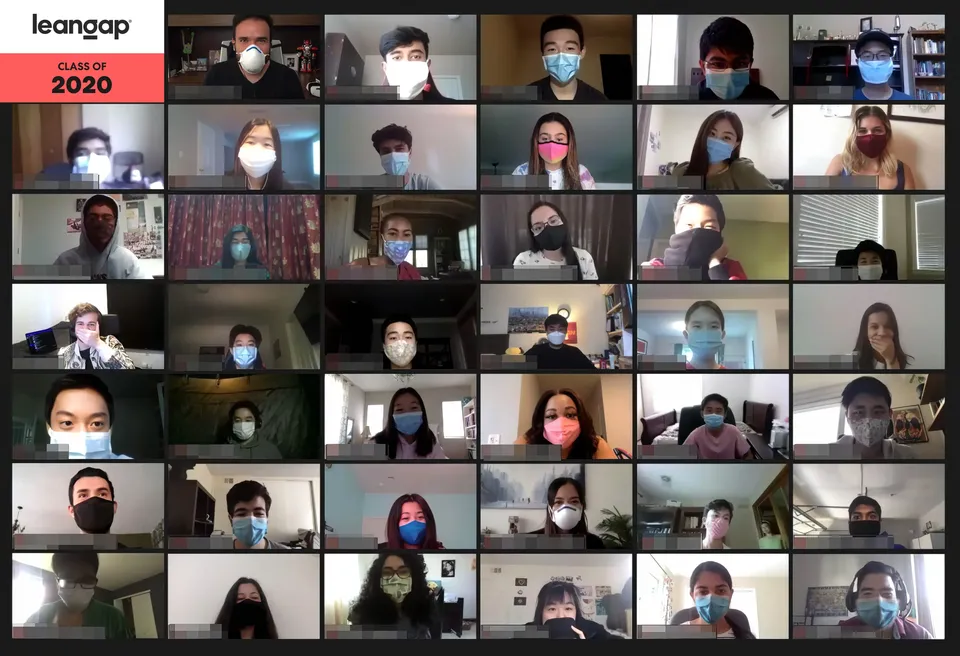
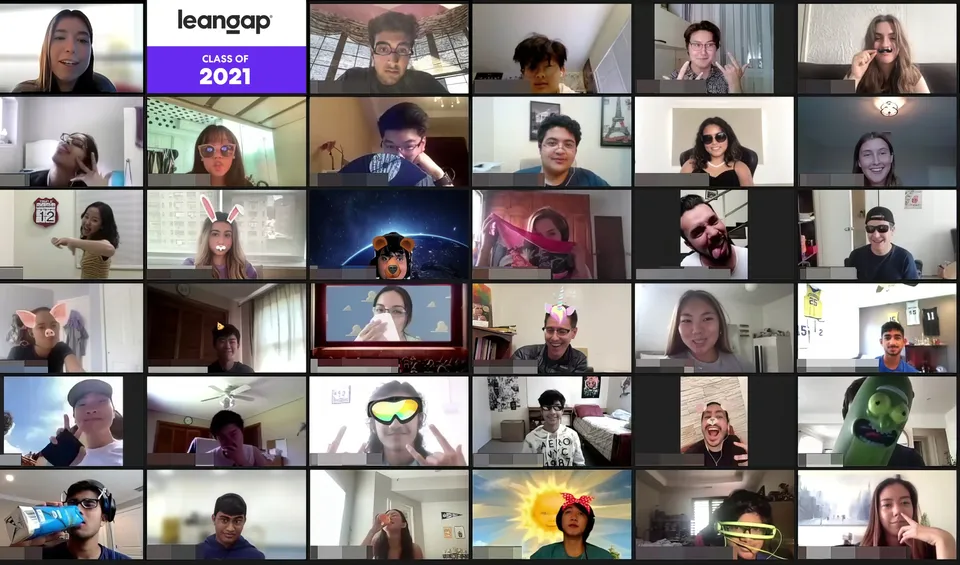
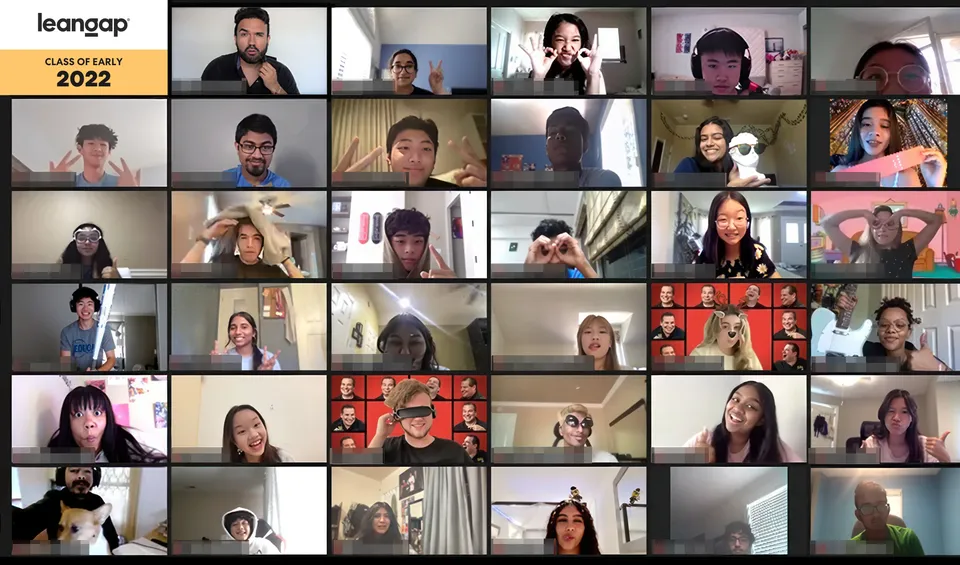
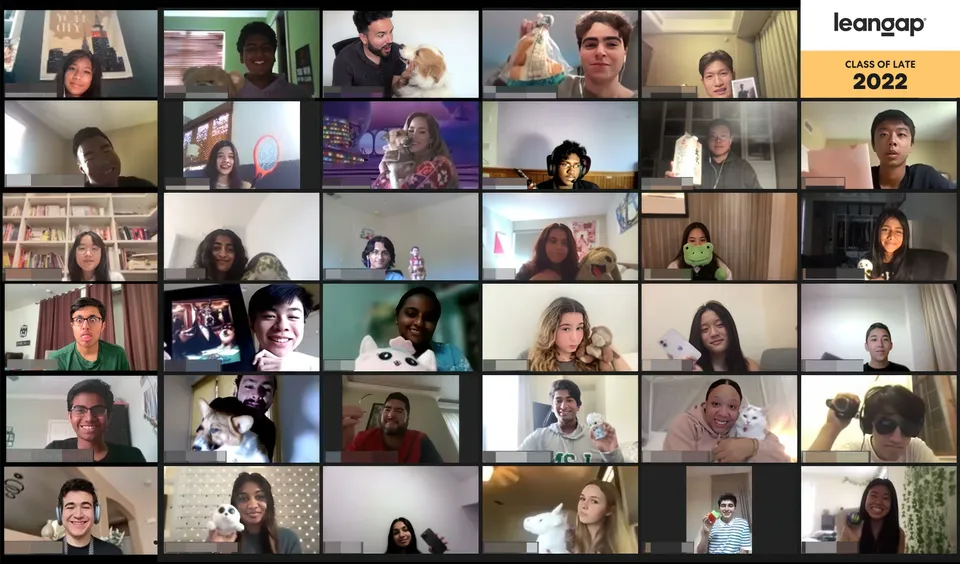
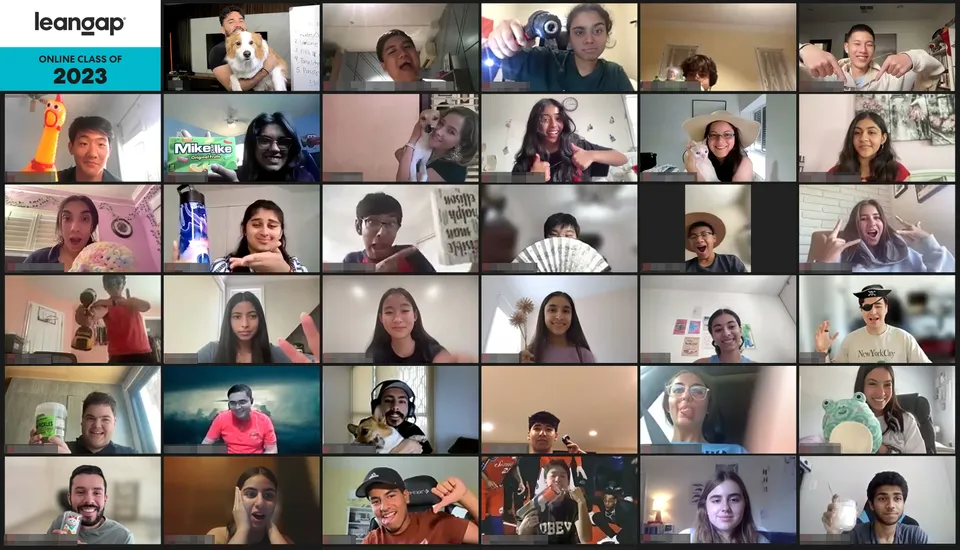
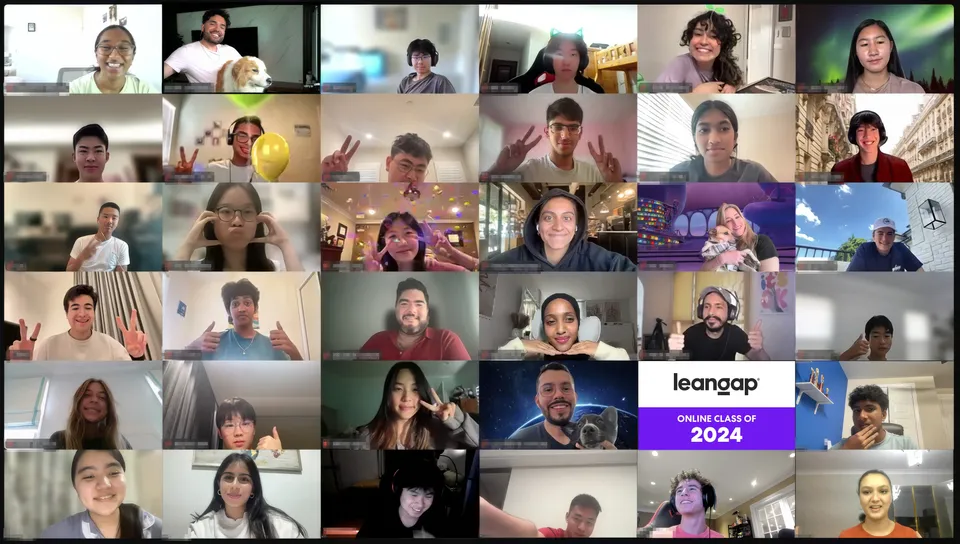
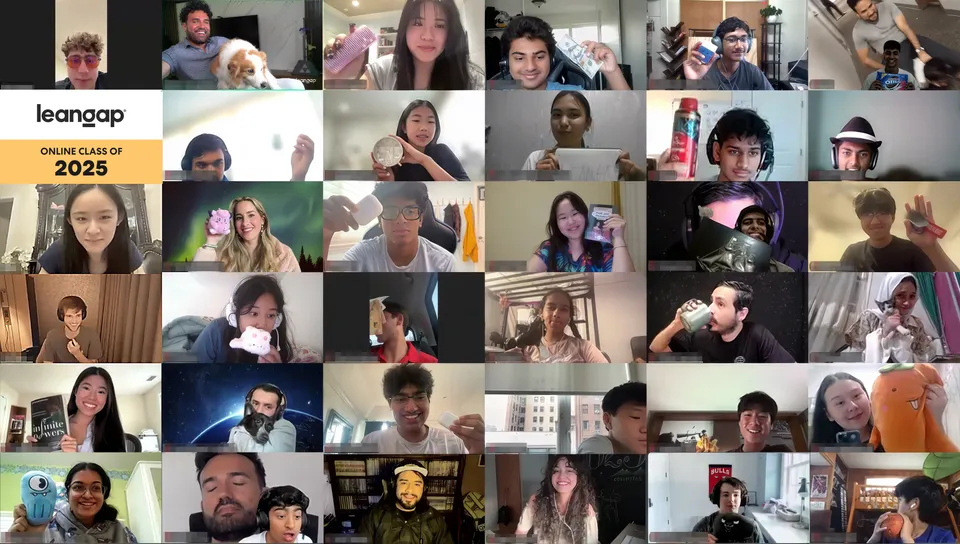
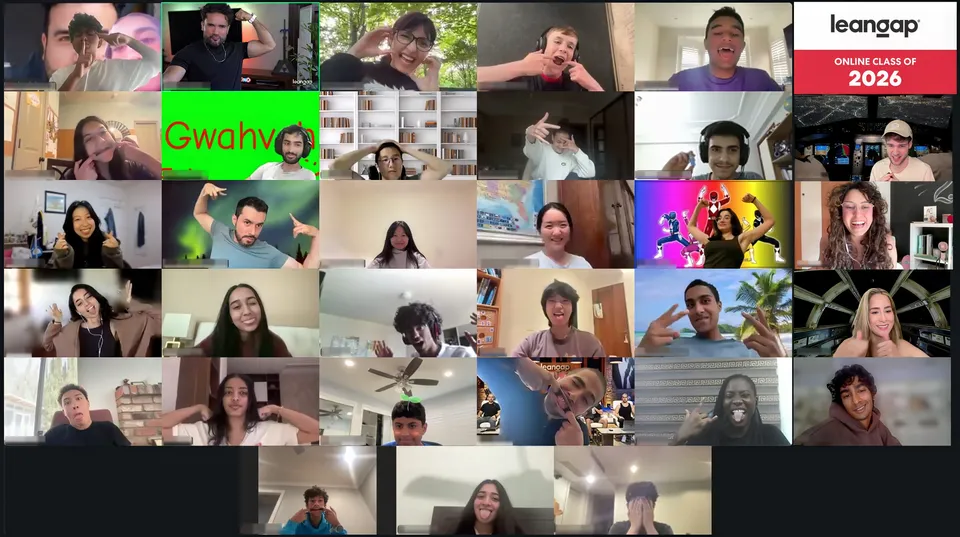
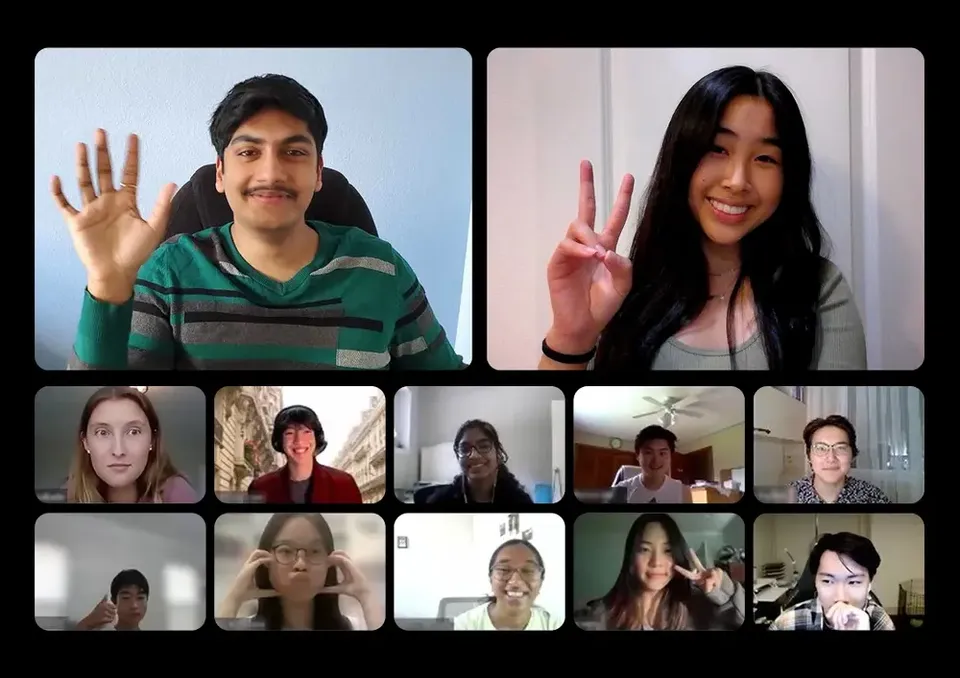
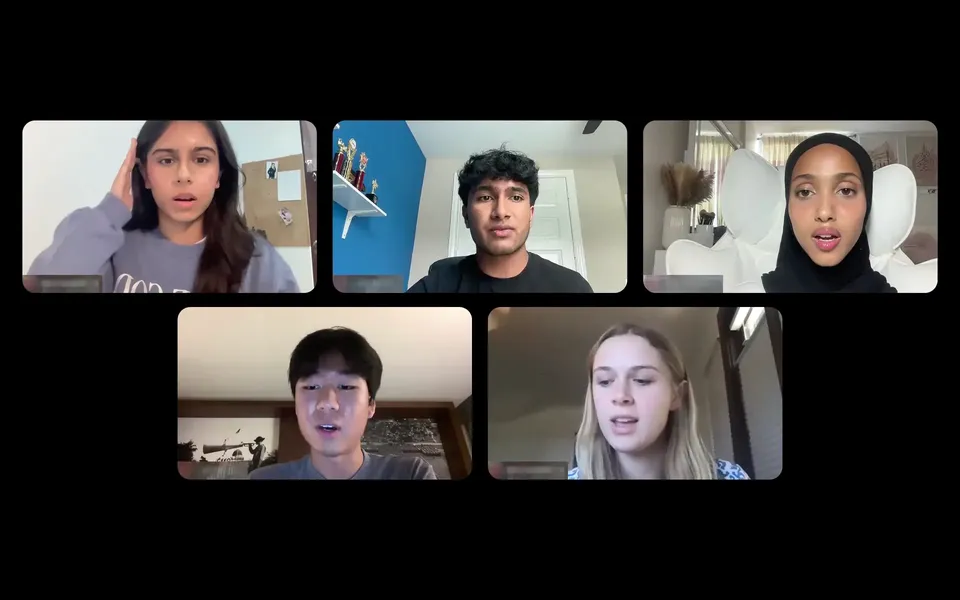
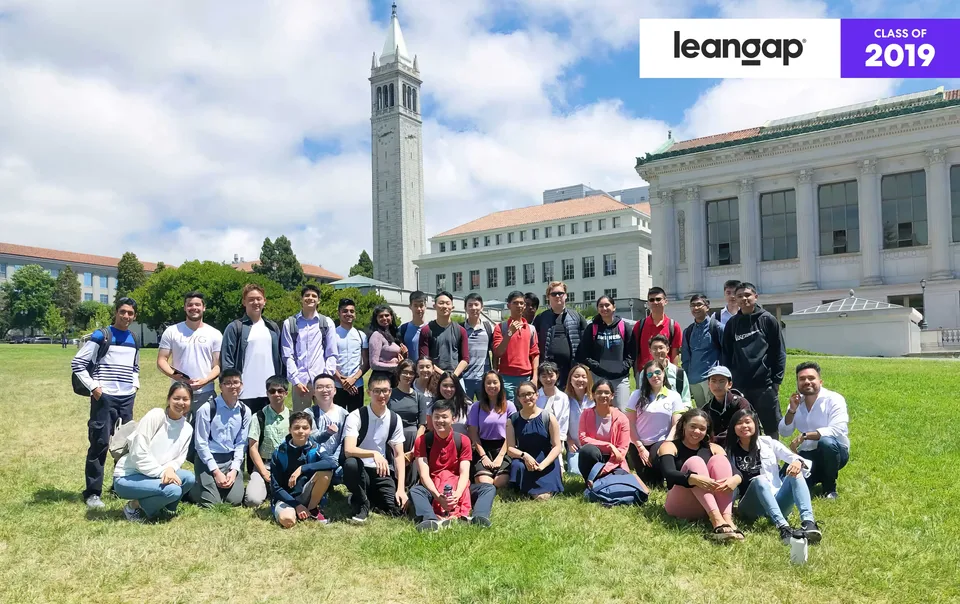
Taking it online. I designed Leangap’s online format, running on Zoom and Discord, so students anywhere can build a company with teammates across countries and time zones.1 It runs alongside the in-person program at UC Berkeley.1




Teaching teenagers to speak like founders
Leangap is the best public speaking training a teenager can have anywhere, and that is the part of the program I am proudest of. I built and teach Leangap’s public speaking and pitching curriculum from my own experience on stage: I’m a TEDx speaker and have spoken at conferences in Seattle, San Francisco, Vienna, Melbourne, Mexico City and Houston, and online to thousands of attendees. Students learn how to grab attention, tell a story, hold a room, handle tough investor questions and speak with a confident voice and body, even online.2, 4
Building the business
I created the first version of every part of Leangap:
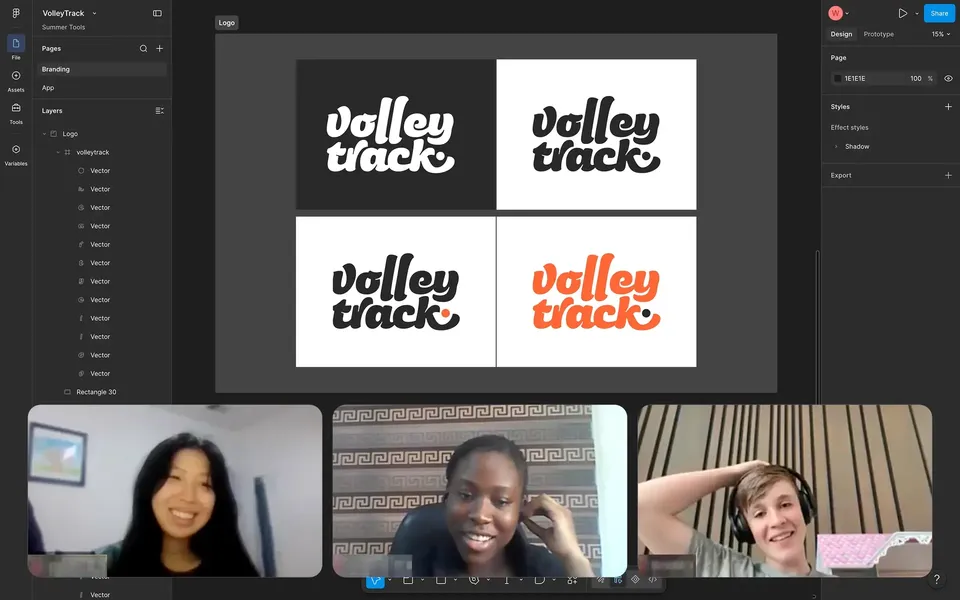
- Brand identity. The logo and visual system.
- Website. leangap.org, across many redesigns.
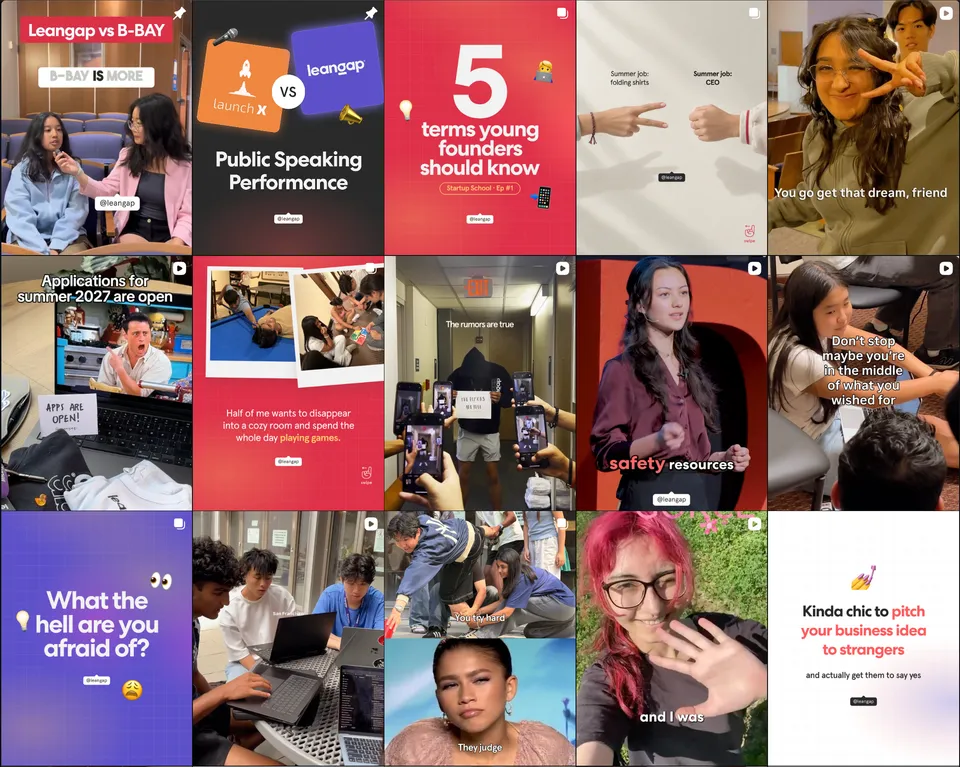
- Marketing. Campaigns, social and the newsletter, which has grown past 10,000 subscribers.1
- Enrollment. The application and admissions flow, including a selective admissions process.2, 4
Once each piece worked, I hired someone to own it, then trained and mentored them until they could run it without me.
Leading the team
Each summer I lead a team of up to 20 marketers, designers, developers and counselors. I hire, train and mentor them, and many areas of the business are now owned by people I trained.
Teaching
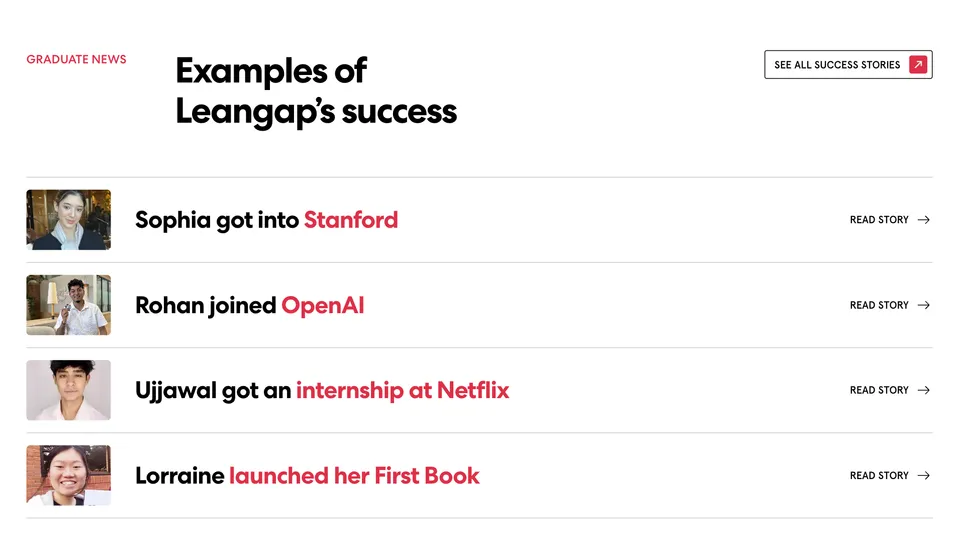
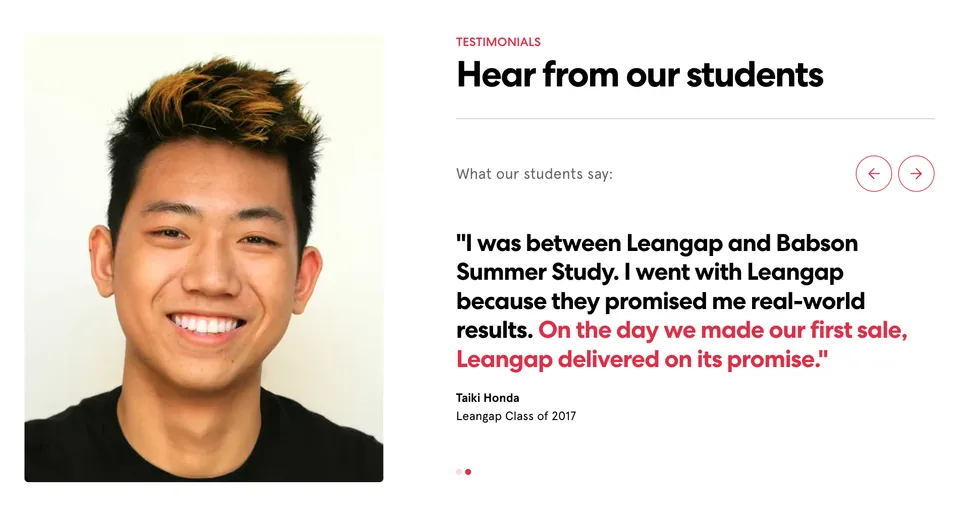
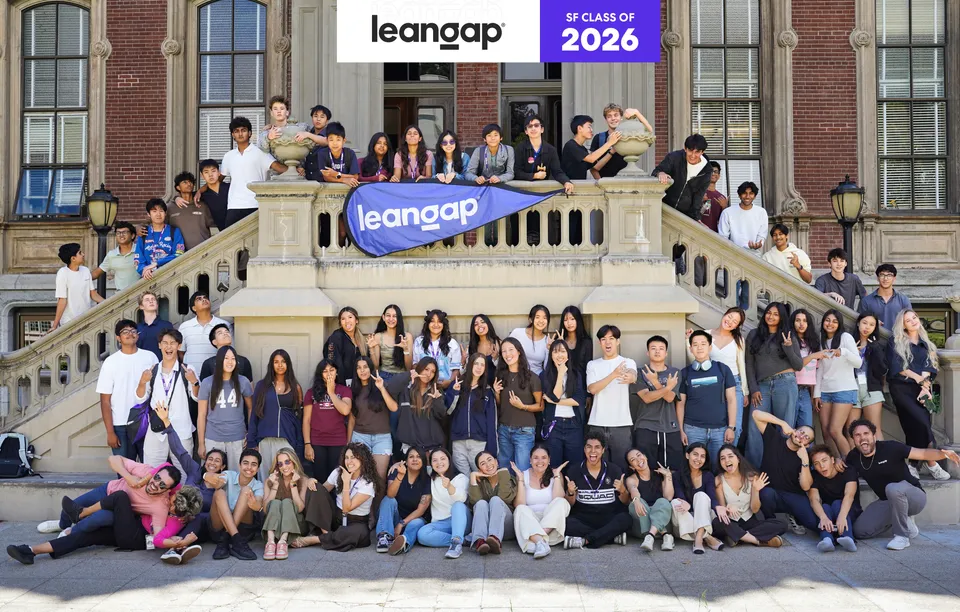
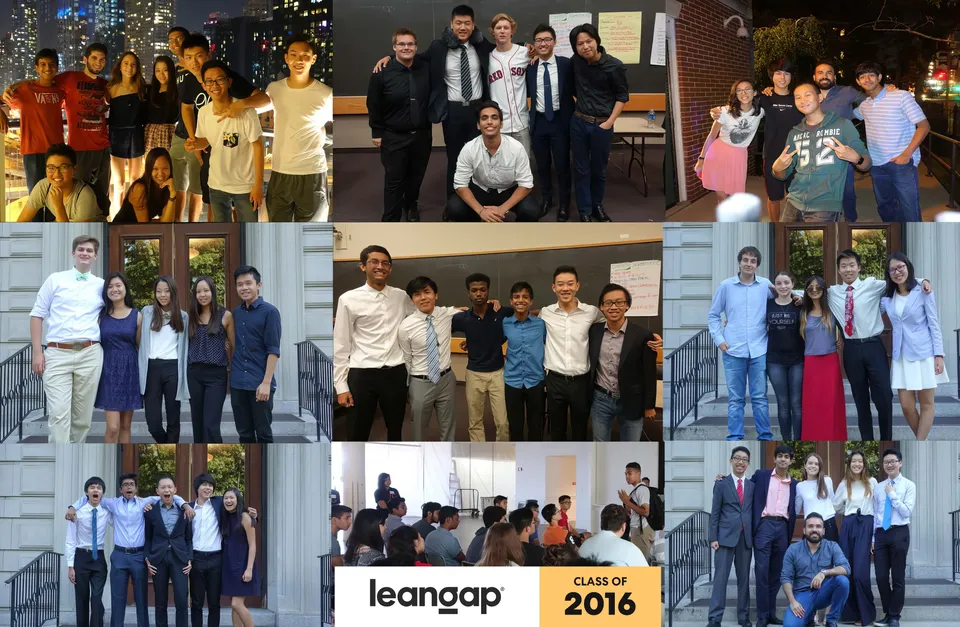
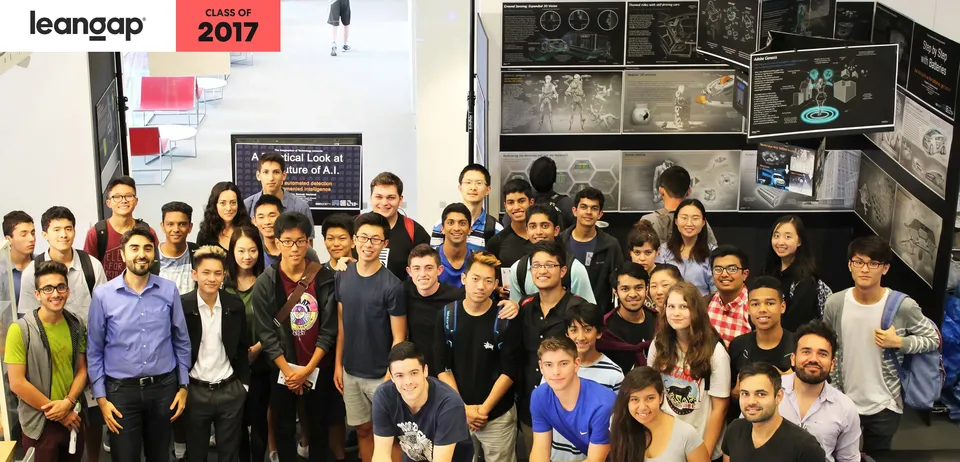
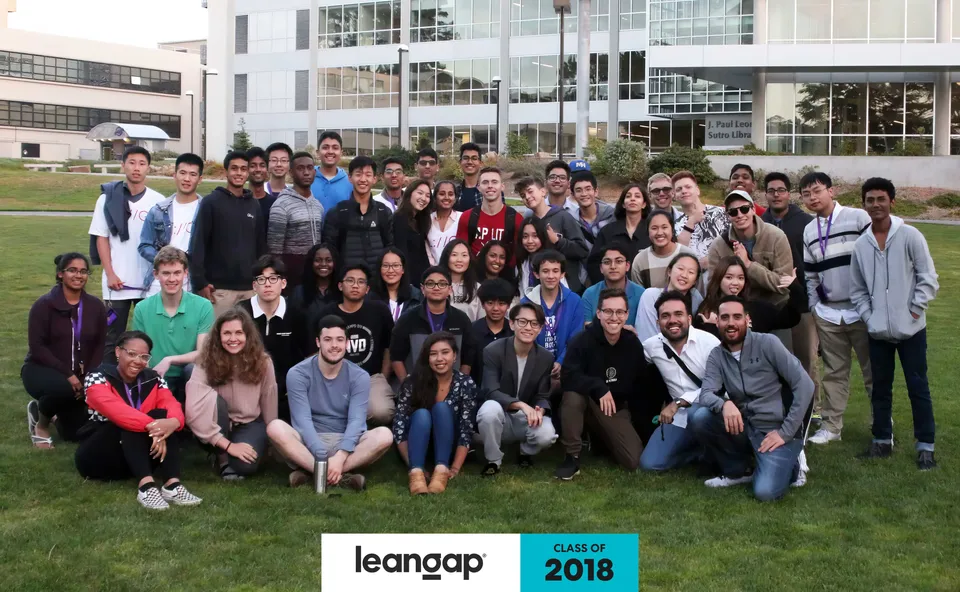
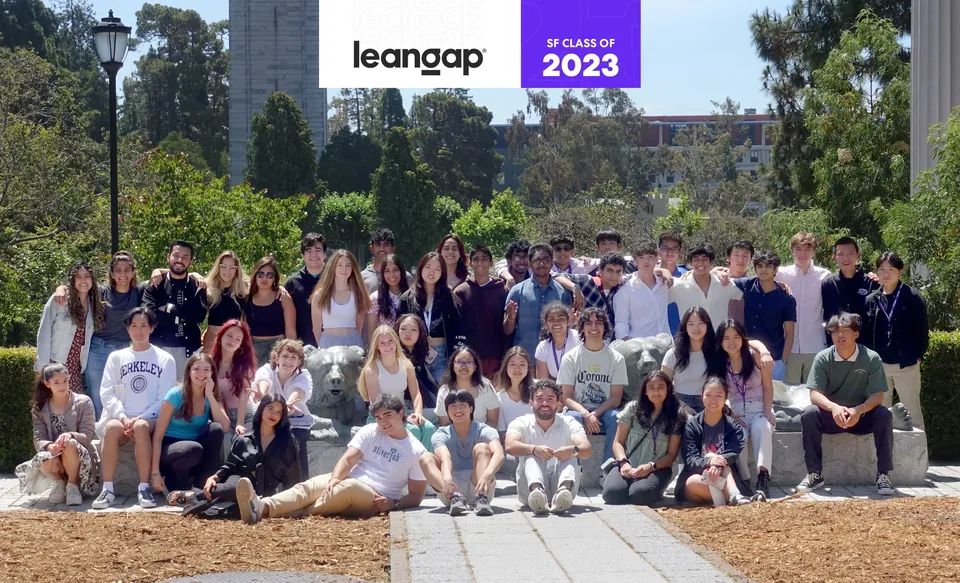
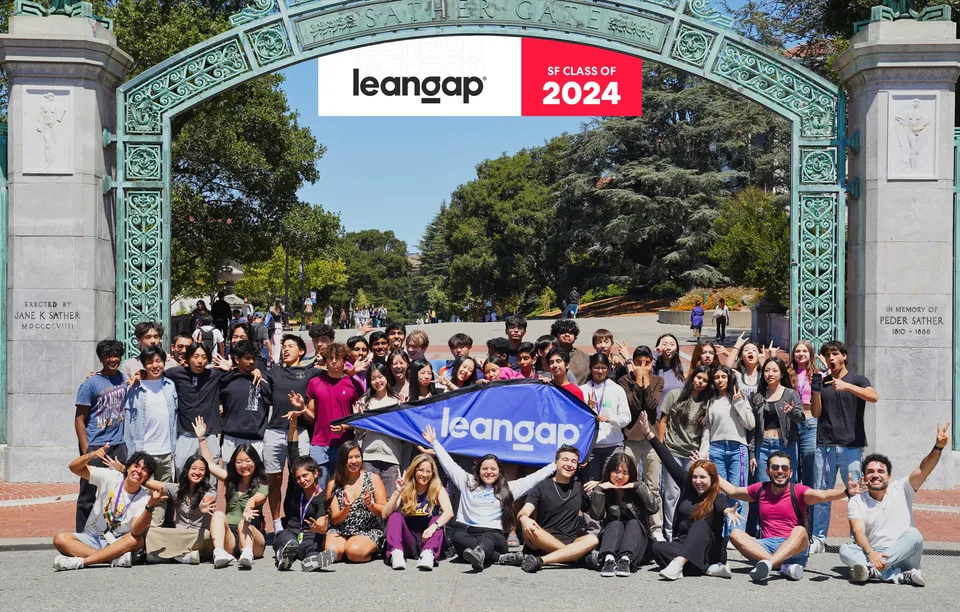
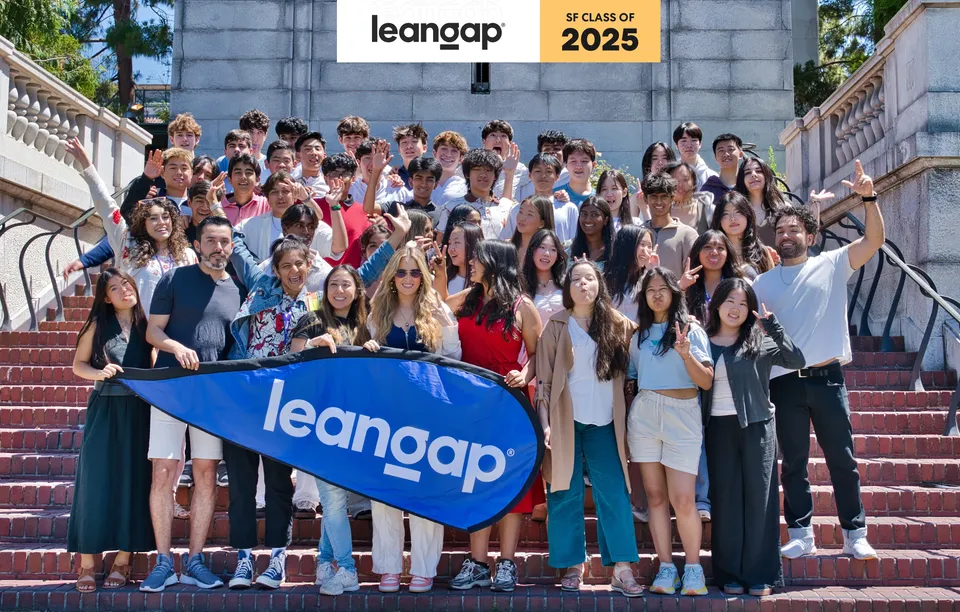
As lead instructor I have mentored more than 1,000 students. Alumni go on to work at OpenAI, Anthropic, Uber, Netflix, Adobe and ElevenLabs, and to study at MIT, Harvard, Stanford, Wharton, UC Berkeley and NYU. Others found companies and nonprofits of their own.1, 2
Outcome
- 82% of Leangap alumni intern at major tech companies, and 65% are admitted to a top-rated college.1, 2
- Leangap students have collectively generated $39,100 in revenue, signed up 3,228 customers and reached a total audience of 1.9 million.1, 2
- I grew Leangap’s net revenue nearly 4x from the 2020 to the 2026 school year, about 25% a year. Revenue more than doubled from 2021 to 2022 alone.3
- More than 1,000 students mentored since 2015.
What we’re doing differently
Leangap is never finished, each summer we improve how we run it. Two things in our current pipeline:
- Building systems. For years I built each summer by hand. We’re turning every part of the program into a repeatable playbook, so each new summer starts from a system instead of from me.
- Doubling down on personalization. Other programs grow by adding seats. We’re going the other way, investing more in each student’s experience, because personal attention is what makes Leangap different.
In pictures